Polyurethane Joint Sealant for Industrial Floor Joints
Polyurethane sealant
When it comes to ensuring the durability and performance of industrial concrete floors, joint sealing is an essential element.
Polyurethane joint sealants stand out among other materials for their elasticity, adhesion, and resistance to chemicals and mechanical wear.
This comprehensive guide explores the various types of polyurethane sealants, their applications in industrial flooring, and the pros and cons of their use.
1. One-Component Polyurethane Joint Sealant
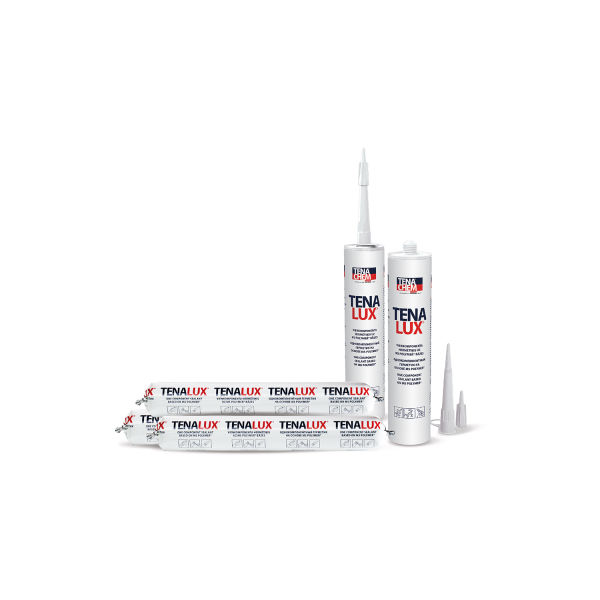
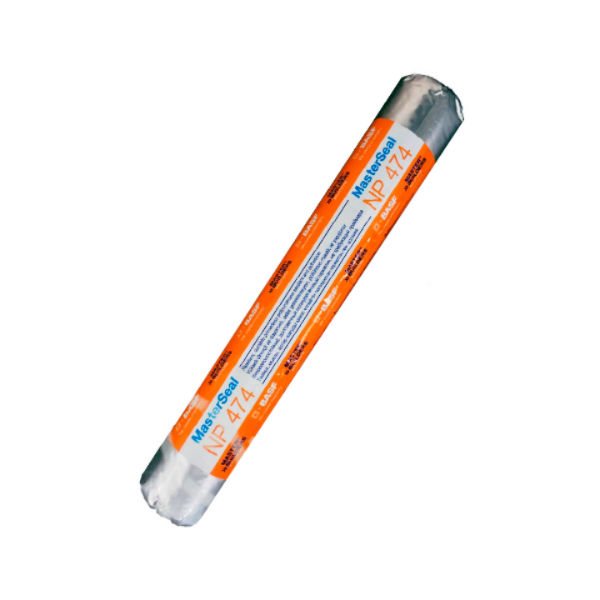
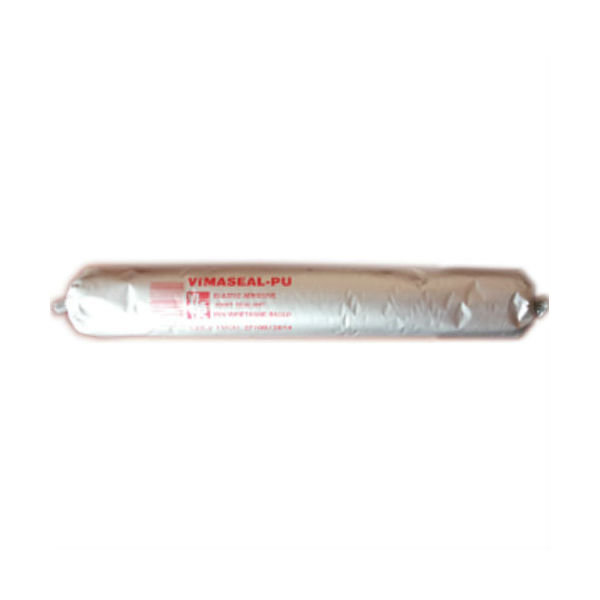
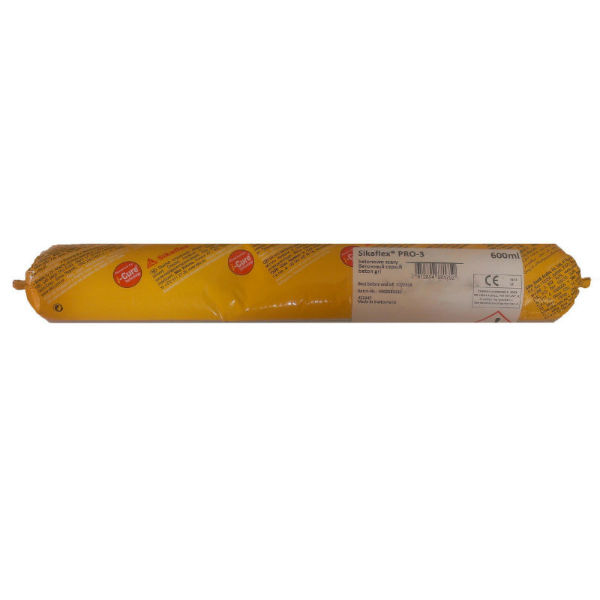
One-component polyurethane sealants (1K PU sealants) are widely used for sealing construction and expansion joints in industrial concrete floors. These ready-to-use materials cure upon exposure to air moisture, making them user-friendly and highly effective.
Key Characteristics
-
Moisture-Curing: Begins curing immediately upon contact with ambient air humidity.
-
Flexible and Elastic: Excellent at absorbing thermal movement and vibrations.
-
Excellent Adhesion: Bonds strongly to concrete, metal, wood, and other construction materials.
-
Chemical Resistance: Withstands exposure to oils, fuels, and industrial chemicals.
Application Areas
-
Expansion joints in warehouses
-
Control joints in logistics centers
-
Joints in cold storage facilities
-
Perimeter sealing in concrete slab installations
Benefits
-
Ease of Application: No mixing required; simply cut the cartridge and apply.
-
Fast Tack-Free Time: Ideal for fast-track construction projects.
-
Paintable: Can be coated with industrial floor paints after curing.
Limitations
-
May have a slower curing rate in low humidity environments.
-
Limited working time in extremely hot or cold climates.
2. Two-Component Polyurethane Joint Sealant
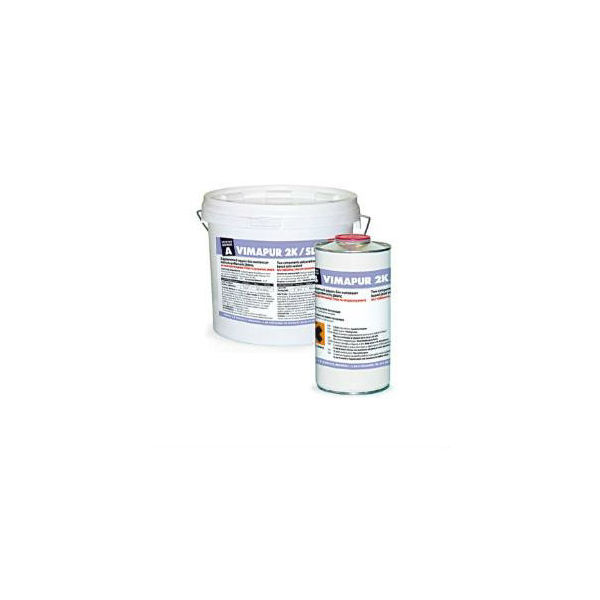
Two-component polyurethane sealants (2K PU sealants) are designed for high-performance, heavy-duty environments.
They are typically used in large-scale industrial projects requiring enhanced mechanical, chemical, and thermal performance.
Technical Features
-
Mixing Required: Two components—base and curing agent—are combined just before application.
-
Controlled Curing: Reaction begins only after mixing, allowing for a consistent cure.
-
High Durability: Superior to one-component products in terms of mechanical strength and wear resistance.
-
Customizable Properties: Can be tailored for specific load, movement, and exposure levels.
Typical Applications
-
Chemical plants
-
Food processing facilities
-
Airports and logistic terminals
-
Production areas with forklifts and heavy traffic
Benefits
-
High Load Capacity: Withstands aggressive traffic and mechanical pressure.
-
Excellent Crack Bridging: Absorbs structural movements over time.
-
Resistant to Aggressive Chemicals: Ideal for manufacturing and petrochemical environments.
Drawbacks
-
Requires experienced personnel for proper mixing and application.
-
Short pot life after mixing—must be used within a specific time frame.
3. Why Sealing Industrial Floor Joints Is Essential
The role of joint sealing in industrial concrete floors cannot be overstated.
Proper sealing of joints prevents damage, contamination, and premature failure of flooring systems.
3.1 Protection Against Water and Chemical Ingress
Industrial environments often expose floors to:
-
Water and moisture
-
Chemical spills
-
Oils and fuels
If joints are left unsealed, these substances can penetrate the concrete, leading to:
-
Substrate degradation
-
Freeze-thaw cracking
-
Corrosion of reinforcement
Polyurethane sealants act as waterproof and chemical-resistant barriers that extend the life of the floor.
3.2 Load Distribution and Crack Prevention
In high-traffic facilities, the movement of:
-
Forklifts
-
Pallet jacks
-
Carts and machinery
can exert stress on unsealed joints, causing:
-
Chipping at slab edges
-
Surface spalling
-
Progressive cracking
Sealing joints with elastic materials like PU sealants helps absorb mechanical stress and reduces wear.
3.3 Hygiene and Safety Standards
In industries such as food production, pharmaceuticals, or electronics, cleanliness is non-negotiable. Unsealed joints can:
-
Harbor bacteria and mold
-
Collect dirt and liquids
-
Pose trip hazards
Polyurethane sealants are easy to clean, resist microbial growth, and maintain hygienic standards.
3.4 Thermal Movement Accommodation
Industrial floors experience:
-
Expansion and contraction due to temperature changes
-
Structural shifts over time
PU sealants remain flexible even under temperature fluctuations, maintaining the integrity of the joints.
4. Polyurethane Sealant for All Types of Concrete Floor Joints
Polyurethane sealants are versatile and can be used in a variety of joint types in concrete flooring:
4.1 Expansion Joints
These joints are designed to accommodate thermal expansion and contraction in large slabs.
-
PU sealants provide high elongation and flexibility.
-
Prevent buckling and cracking of concrete surfaces.
4.2 Construction Joints
Created between different pours of concrete, these joints often require sealing to:
-
Prevent moisture migration
-
Maintain structural separation
PU sealants bond exceptionally well to both old and new concrete.
4.3 Control (Contraction) Joints
These joints are cut into concrete to control where cracking occurs due to shrinkage.
-
PU sealants allow for controlled movement while sealing the gap.
-
Helps prevent random surface cracking.
4.4 Perimeter Joints
Formed where floors meet vertical elements like walls, columns, or machinery foundations.
-
PU sealants prevent ingress of debris or water at floor edges.
-
Help reduce differential movement damage.
5. Advantages and Disadvantages of Polyurethane Sealant for Industrial Floors
Like all materials, polyurethane joint sealants offer a set of pros and cons that should be considered during product selection and application planning.
5.1 Advantages
a. High Flexibility and Elastic Recovery
PU sealants accommodate floor movement without cracking or losing adhesion.
b. Chemical and Weather Resistance
Ideal for industrial facilities with exposure to solvents, oils, and varying temperatures.
c. Strong Adhesion
Bonds well to a variety of substrates including:
-
Concrete
-
Asphalt
-
Metals
-
PVC and tiles (with primer)
d. Aesthetic Finishing
PU sealants can be color-matched and painted, improving the floor’s visual appeal.
e. Cost-Effective
Compared to other high-performance materials, PU sealants offer an excellent cost-to-benefit ratio.
5.2 Disadvantages
a. Sensitive to Application Conditions
Curing may slow in extremely humid or cold environments.
b. UV Sensitivity (for some variants)
Prolonged exposure to sunlight can cause discoloration unless UV-stabilized.
c. Shorter Lifespan Under Aggressive Loads
In extremely heavy-duty applications, PU sealants may wear faster than epoxy or polysulfide alternatives.
d. Limited Reusability
Once cured, polyurethane sealants cannot be reheated or reused—any errors require cutting and resealing.
Conclusion
Polyurethane joint sealants are an indispensable part of modern industrial flooring systems.
Whether you're working with one-component or two-component formulations, polyurethane offers the flexibility, durability, and chemical resistance needed to protect and preserve concrete floors in demanding environments.
From expansion joints in large warehouses to control joints in manufacturing plants, polyurethane sealants deliver long-lasting performance, support structural stability, and contribute to safe, efficient operations.
Choosing the right type of polyurethane sealant and applying it correctly ensures your flooring investments are protected for years to come.