

Effective Technologies and Materials for the Installation of All Types of Floors and Floor Coverings
Introduction
Flooring systems in modern construction serve both functional and aesthetic purposes.
The successful installation of floors and floor coverings depends not only on skilled craftsmanship but also on the use of advanced technologies and high-performance materials.
Whether in residential, commercial, or industrial settings, flooring solutions must meet requirements for durability, safety, comfort, and design.
This article explores the most effective technologies and materials available for the installation of various types of floors, including concrete, wood, vinyl, ceramic, and polymer systems.
1. Classification of Floor Types and Their Requirements
Understanding the different types of floors is essential to selecting appropriate installation technologies and materials:
-
Concrete Floors: Industrial-grade, load-bearing, and often require surface treatment or coatings.
-
Wooden Floors: Natural or engineered timber, requiring precise moisture control and flexible adhesives.
-
Vinyl and Linoleum Floors: Resilient coverings needing smooth, level substrates and pressure-sensitive adhesives.
-
Ceramic and Stone Tile Floors: Require rigid, stable bases and high-performance adhesives and grouts.
-
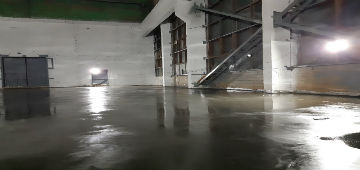
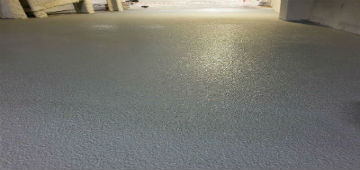
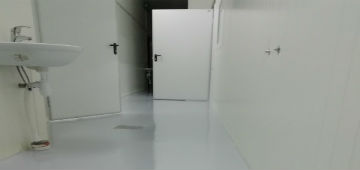
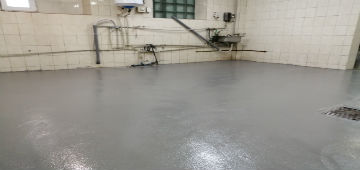
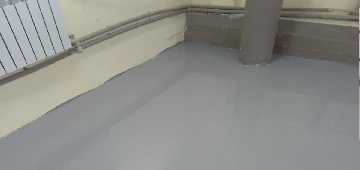
Polymer Floors: Epoxy, polyurethane, or MMA-based systems applied as liquid coatings on concrete substrates.
2. Substrate Preparation Technologies
Proper substrate preparation is the foundation of any successful floor installation. Key technologies include:
-
Mechanical Surface Preparation: Grinding, shot blasting, or scarifying to ensure adhesion.
-
Moisture Control Systems: Epoxy moisture barriers and vapor retarders prevent flooring failures.
-
Priming: Use of polymer or cement-based primers to enhance adhesion.
-
Crack and Joint Repair: Injection resins, cementitious fillers, and flexible sealants.
3. Cement-Based Screeds and Leveling Compounds
Screeds create a level base for floor coverings. Types include:
-
Traditional Cement Screeds: Sand-cement mixes applied manually or mechanically.
-
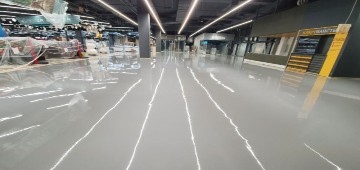
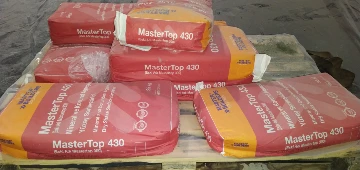
Self-Leveling Compounds: Polymer-modified, flowable materials for fast and even surfaces.
-
Fiber-Reinforced Screeds: Enhanced with polypropylene or glass fibers for reduced shrinkage.
-
Fast-Setting Screeds: Allow early application of coverings and reduce downtime.
4. Adhesive Technologies for Floor Coverings
Adhesives are critical to bond floor coverings to substrates. Common types include:
-
Cement-Based Adhesives: Used for ceramic tiles and natural stone.
-
Dispersion Adhesives: Water-based and ideal for vinyl, linoleum, and textile floorings.
-
Polyurethane Adhesives: Flexible and strong, suitable for wood and synthetic materials.
-
Epoxy Adhesives: Chemical-resistant, used in industrial and commercial flooring.
5. Floor Covering Materials
Each floor type has specific material options:
-
Tiles: Porcelain, ceramic, and natural stone offer durability and design flexibility.
-
Wood Flooring: Solid, engineered, or parquet; must be acclimatized before installation.
-
Vinyl and LVT: Easy to install and maintain, with realistic textures and patterns.
-
Laminate: Budget-friendly and quick to install with interlocking systems.
-
Carpet Tiles: Offer acoustic comfort and modularity.
6. Insulation and Underlayments
Effective insulation improves thermal and acoustic performance:
-
Polyethylene Foam: Common underlay for laminate and engineered wood.
-
Cork Underlayments: Sustainable and effective in sound insulation.
-
Mineral Wool: Used in floating floor systems.
-
Thermal Insulation Boards: EPS, XPS, or PUR for subfloor heat retention.
7. Surface Coating Systems
Applied to concrete and industrial floors, coatings protect and enhance surfaces:
-
Epoxy Coatings: Durable, chemical-resistant, and decorative.
-
Polyurethane Coatings: Flexible, UV-resistant, and abrasion-resistant.
-
MMA Systems: Rapid curing for time-sensitive projects.
8. Expansion Joints and Sealing Materials
Control and movement joints must be sealed properly to maintain floor integrity:
-
Elastic Sealants: Polyurethane or silicone-based for flexibility.
-
Epoxy Joint Fillers: For heavy-duty industrial applications.
-
Prefabricated Profiles: Metal or rubber profiles for transition and joint detailing.
9. Floor Heating Systems
Heated floors require integration with insulation and screeds:
-
Electric Heating Mats: Suitable for tiled and laminate floors.
-
Hydronic Systems: Tubing embedded in screeds for efficient heating.
-
Thermal Conductivity of Layers: Must be optimized to reduce heat loss.
10. Tools and Equipment for Installation
Efficient installation requires the right tools:
-
Mixers and Pumps: For screeds and self-leveling compounds.
-
Trowels and Notched Spreaders: For adhesives and coatings.
-
Laser Levels: For accurate substrate leveling.
-
Rollers and Applicators: For primers and liquid coatings.
11. Innovations and Sustainability Trends
Modern flooring technology is driven by sustainability and innovation:
-
Low-VOC Adhesives and Coatings: Health and environmental safety.
-
Recyclable Materials: Vinyl, rubber, and carpet tile backings.
-
Prefabricated Floor Panels: Reduce site time and waste.
-
Smart Floors: Sensors embedded in floor systems for monitoring and automation.
Conclusion
The selection of effective technologies and materials for floor installation is essential to achieving performance, safety, and longevity in flooring systems.
With continuous advancements in adhesives, coatings, insulation, and prefabricated systems, the flooring industry is better equipped than ever to meet the demands of modern construction.
Contractors and designers who adopt these technologies can ensure reliable, high-quality results across residential, commercial, and industrial flooring projects.
