

One-Component Cement-Based Waterproofing for Concrete Floors
Concrete floors, despite their strength and structural integrity, are naturally porous and susceptible to moisture infiltration.
This makes waterproofing a critical step in both residential and industrial construction.
Among the most efficient and cost-effective solutions on the market today is one-component cement-based waterproofing.
This article explores the different types of one-component waterproofing systems for concrete floors, focusing on rigid and elastic cement-based coatings, their applications under tile installations, in wet rooms, and for outdoor concrete surfaces.
1. One-Component Rigid Cement-Based Waterproofing for Concrete Floors
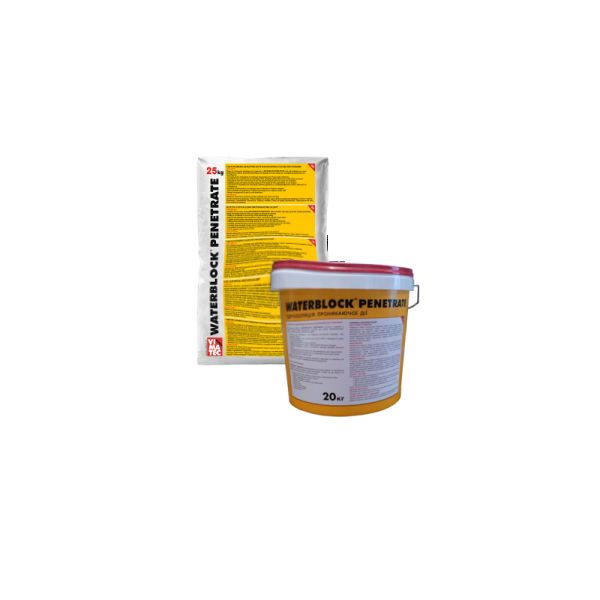
Rigid cementitious waterproofing is one of the most common and reliable solutions for non-movable concrete structures.
This pre-mixed powder requires only the addition of water to activate its waterproofing properties.
When applied to a prepared concrete surface, it creates a dense, impermeable barrier that prevents water penetration from both positive and negative pressure sources.
Key Features:
-
Designed for structural concrete with no expected movement.
-
Forms a strong bond with concrete substrates.
-
Provides long-lasting protection against water ingress.
-
Withstands hydrostatic pressure from below the slab.
Best Use Cases:
-
Basements and substructures.
-
Concrete tanks and water reservoirs.
-
Elevator pits and underground parking.
-
Retaining walls and tunnel linings.
Rigid systems are ideal for industrial concrete floors where deformation is minimal and mechanical stress is high.
2. One-Component Elastic Polymer-Cement Waterproofing for Concrete Substrates
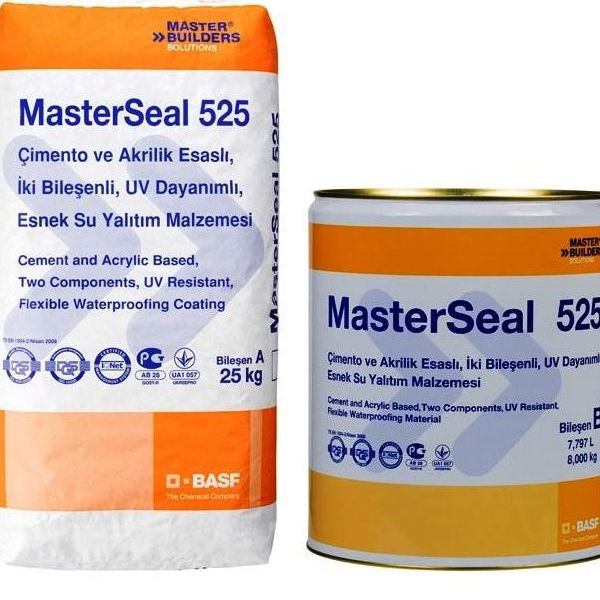
Elastic or flexible polymer-modified cementitious waterproofing combines cement with specially designed polymers to improve elasticity and crack-bridging ability.
This one-component system is particularly valuable in environments where minor structural movement or thermal expansion may occur.
Benefits:
-
Crack-bridging up to 1.5 mm without reinforcement.
-
Excellent adhesion on horizontal and vertical surfaces.
-
Compatible with a wide range of substrates.
-
Resistant to aging, weather, and temperature fluctuations.
Application Areas:
-
Balconies and terraces.
-
Bathrooms and kitchens.
-
Swimming pools and spas.
-
Planters and rooftops.
Elastic cement-based waterproofing systems are ideal for residential and commercial spaces where moderate flexibility and long-term durability are essential.
3. Waterproofing Cement Screed Beneath Ceramic Tiles
Ceramic tiles are commonly used in wet areas, but the space beneath them must be effectively waterproofed to avoid moisture buildup that can lead to mold, tile delamination, and substrate damage.
A one-component cementitious waterproofing layer under the screed or directly below the tile adhesive offers:
-
Protection against water ingress through tile grout.
-
Improved adhesion between tile adhesive and concrete.
-
Extended tile system lifespan in bathrooms, kitchens, and wet zones.
Where to Use:
-
Shower floors and wet rooms.
-
Saunas and spa floors.
-
Commercial kitchens and laundries.
-
Exterior terraces with tile systems.
Before tiling, apply the waterproofing slurry with a brush or roller in at least two coats, followed by appropriate curing time to ensure full waterproofing performance.
4. Brush-Applied Cementitious Waterproofing for Wet Areas
Wet areas, such as bathrooms, laundry rooms, and utility areas, are exposed to constant moisture and humidity.
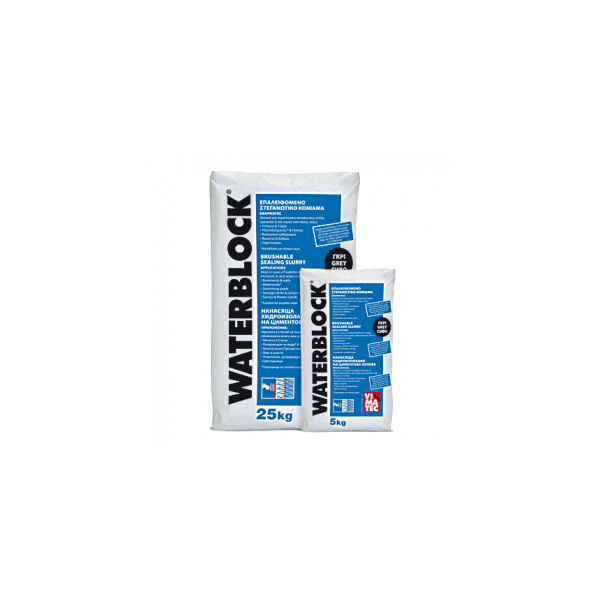
Brush-applied cement-based waterproofing provides a practical solution for both DIY applications and professional installations.
Product Characteristics:
-
One-component dry mix activated with water.
-
Can be applied by brush, roller, or trowel.
-
Forms a seamless, joint-free waterproofing layer.
-
Resistant to mold, mildew, and waterborne contaminants.
Application Instructions:
-
Prepare the concrete substrate (clean, roughened, and slightly damp).
-
Mix the waterproofing compound according to the manufacturer’s instructions.
-
Apply two or more coats in cross directions.
-
Allow sufficient curing before further finishing (typically 24–48 hours).
This system is ideal for interior waterproofing projects where ease of use and reliable protection are key.
5. Outdoor Elastic Cement Waterproofing System for Concrete Substrates
Concrete surfaces exposed to external environmental conditions—such as rain, UV rays, freeze-thaw cycles, and thermal stress—require a more robust waterproofing system.
A flexible, elastic, one-component cementitious waterproofing is the preferred solution for such outdoor applications.
Features:
-
UV-resistant and non-yellowing.
-
Thermal expansion compatible.
-
Maintains elasticity in low temperatures.
-
Resistant to carbonation and chloride penetration.
Typical Applications:
-
Terraces and balconies.
-
Podium decks and ramps.
-
Rooftops and concrete planters.
-
Concrete surfaces with pedestrian or light vehicle traffic.
To enhance performance, especially on large surfaces, reinforce with a waterproofing mesh between coats for additional crack resistance.
Advantages and Disadvantages of One-Component Cement-Based Waterproofing
✅ Advantages
Easy Mixing and Application
Only water is required—no separate components to measure or mix.
Strong Adhesion
Excellent bonding to concrete, screed, masonry, and brick.
Versatile Application
Suitable for both positive and negative water pressure, vertical and horizontal surfaces, indoors and outdoors.
Economical Solution
Cost-effective compared to multi-component systems and membranes.
Breathable Barrier
Allows vapor to pass while preventing water penetration—avoiding internal pressure buildup.
❌ Disadvantages
Limited Crack-Bridging in Rigid Form
Rigid versions are not suitable for joints or moving cracks—flexible options are required for dynamic zones.
Surface Preparation Is Crucial
Any contamination, laitance, or dust can compromise adhesion and performance.
Curing Time
Needs proper curing time before tiling, painting, or overlaying—may delay project schedules in fast-track jobs.
Not for Heavy Traffic Zones (Without Top Protection)
Unprotected waterproofing layers may degrade if exposed to heavy mechanical stress.
Conclusion
When it comes to protecting concrete floors from moisture, one-component cement-based waterproofing systems offer a reliable, flexible, and cost-effective approach.
Whether you need a rigid barrier for underground slabs, an elastic layer for balconies, or a waterproof underlayment for tiled bathrooms, there is a solution tailored to your needs.
Their simple application process, excellent adhesion, and long-term durability make them an ideal choice for builders, contractors, and homeowners alike.
By integrating the right waterproofing strategy during the construction phase, you ensure the longevity, safety, and performance of your concrete floors—indoors and out.