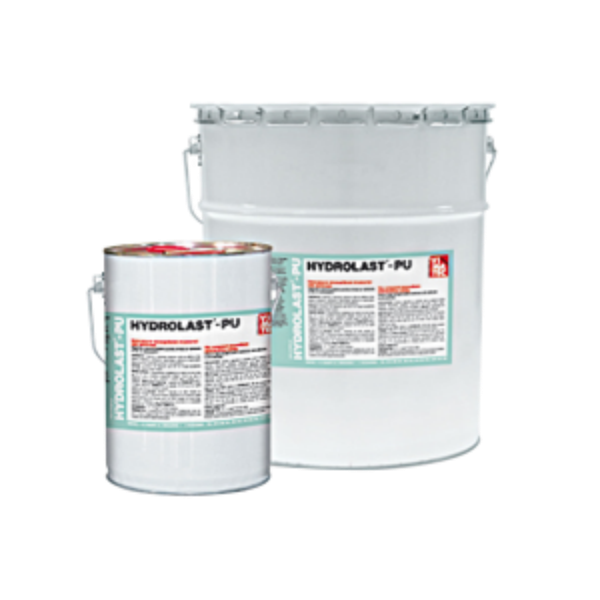
Polyurethane Waterproofing for Concrete Floors
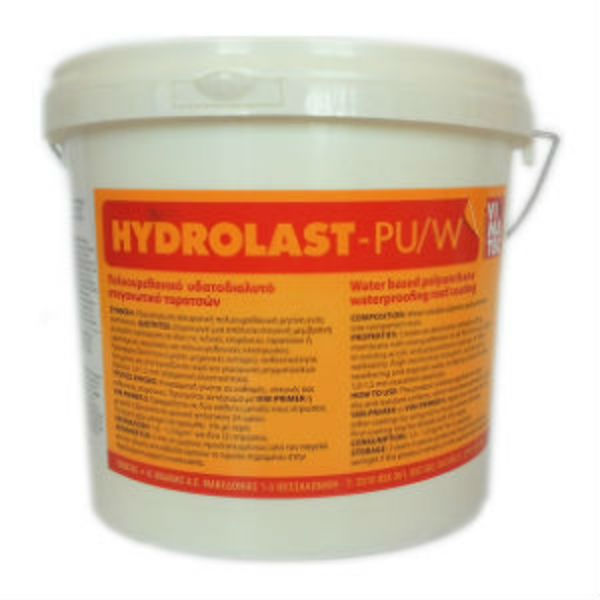
Polyurethane waterproofing systems are among the most reliable and widely used solutions for protecting concrete floors in various environments.
From wet rooms and industrial floors to parking decks and bridges, polyurethane coatings offer excellent waterproofing performance, chemical resistance, and mechanical durability.
This article explores the various applications of polyurethane waterproofing in concrete flooring systems and highlights its benefits and drawbacks.
1. Polyurethane Waterproofing for Wet Rooms
Wet rooms, such as bathrooms, showers, kitchens, and laundries, require highly effective waterproofing solutions due to constant exposure to moisture.
Polyurethane waterproofing membranes provide seamless coverage and high elasticity, which helps prevent water ingress and the formation of mold or mildew.
Key Benefits:
-
High elasticity to accommodate substrate movement.
-
Seamless and joint-free application.
-
Resistance to water, steam, and cleaning agents.
-
Long-lasting protection with minimal maintenance.
Polyurethane membranes are often applied as liquid coatings that cure into a flexible membrane, making them suitable for irregular surfaces and hard-to-reach corners in wet rooms.
2. Polyurethane Waterproofing Under Ceramic Tiles
When installing ceramic tiles, especially in wet or high-moisture areas, a waterproof membrane is essential to protect the underlying concrete and adhesives.
Polyurethane waterproofing serves as an ideal underlayment due to its bonding capabilities and durability.
Advantages in Tiled Areas:
-
Excellent adhesion to concrete and tile adhesives.
-
Resistance to moisture, cleaning chemicals, and temperature fluctuations.
-
Prevents tile detachment due to water damage.
The membrane is usually applied before the tile adhesive and acts as a barrier that extends the longevity of tiled surfaces in bathrooms, kitchens, balconies, and swimming pool decks.
3. Polyurethane Waterproofing for Cement Screeds
Cement screeds serve as leveling layers and load-distributing surfaces, but they are prone to cracking and moisture penetration.
Applying a polyurethane waterproofing membrane enhances the durability of the screed and prevents water damage.
Key Features:
-
Crack-bridging capacity.
-
Chemical resistance to detergents and oils.
-
Ability to withstand thermal cycles and mechanical stress.
Such waterproofing is ideal in environments like commercial kitchens, food processing plants, and industrial laundry facilities, where cement screeds are exposed to aggressive conditions.
4. Elastic Polyurethane Waterproofing for Inverted Roofs and Terraces
Inverted roofs and terraces are continuously exposed to environmental factors such as rain, UV radiation, and thermal expansion.
Elastic polyurethane membranes provide robust waterproofing that resists aging and remains flexible over time.
Benefits for Roof Applications:
-
UV resistance and color stability.
-
High crack-bridging performance.
-
Resistance to standing water and ice.
-
Suitable for direct exposure or under protective layers.
These membranes ensure long-term performance in exposed settings while offering low maintenance requirements.
5. Polyurethane Waterproofing for Parking Decks
Parking structures face intense mechanical loads, exposure to fuels, de-icing salts, and water ingress.
Polyurethane waterproofing membranes provide a durable barrier that resists these challenges.
Advantages in Parking Applications:
-
High abrasion resistance.
-
Resistance to automotive fluids and oils.
-
Load-bearing capacity and anti-slip textures.
In addition to waterproofing, these coatings enhance surface durability and safety for both indoor and outdoor parking decks.
6. Polyurethane Waterproofing for Bridges
Bridges require extremely durable and flexible waterproofing systems to handle structural movement, heavy traffic, and environmental exposure. Polyurethane membranes meet these demands with high elasticity and chemical resistance.
Key Features for Bridges:
-
Resistant to freeze-thaw cycles.
-
Withstands high mechanical stress.
-
Strong adhesion to concrete and steel.
-
Fast curing and ease of installation.
Polyurethane systems are often used in combination with asphalt or protective layers to safeguard the bridge deck from corrosion and structural degradation.
7. Polyurethane Waterproofing for Industrial Floors
Industrial facilities demand heavy-duty waterproofing that can endure chemical spills, mechanical loads, and thermal shocks.
Polyurethane coatings offer seamless protection for concrete floors across industries.
Industrial Benefits:
-
Seamless and easy-to-clean surfaces.
-
Resistant to oils, solvents, and acids.
-
Compatible with floor heating systems.
-
Durable even in high-traffic zones.
Applications include warehouses, manufacturing units, cleanrooms, and laboratories.
8. Advantages and Disadvantages of Polyurethane Waterproofing for Concrete Floors
Advantages:
-
Excellent flexibility and crack-bridging properties.
-
High resistance to weathering and chemicals.
-
Suitable for a wide range of surfaces and conditions.
-
Easy application by roller, brush, or spray.
-
UV-stable options available for outdoor use.
Disadvantages:
-
Surface preparation is critical; poor adhesion if improperly prepared.
-
Sensitive to moisture during application (for some systems).
-
Some systems may emit VOCs during curing.
-
Higher cost compared to cementitious coatings.
Conclusion
Polyurethane waterproofing provides comprehensive protection for concrete floors in both residential and commercial applications.
Its adaptability, durability, and resistance to environmental and mechanical stress make it an ideal choice for long-term waterproofing solutions.
When selected and applied correctly, polyurethane systems significantly extend the service life of concrete structures while reducing maintenance and repair costs.
For optimal performance, always consult with experienced professionals to ensure proper surface preparation, material selection, and application methods tailored to your specific project needs.