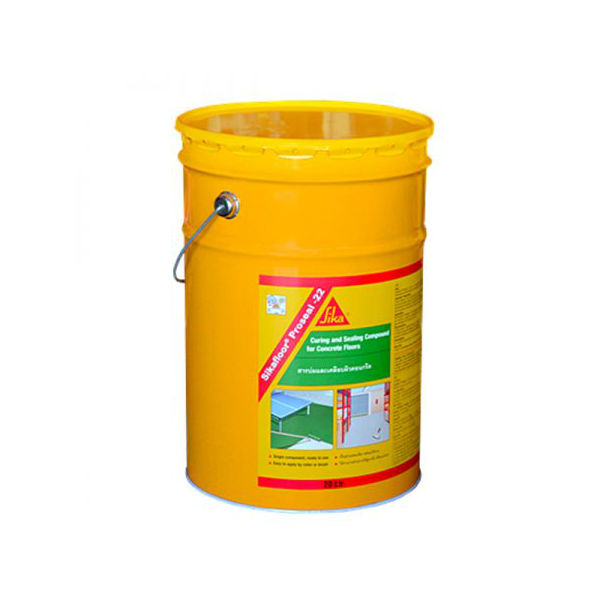
Solvent-Based Membrane-Forming Compound for Concrete and Topping Floors
1. Solvent-Based Acrylic Sealer for Concrete and Topping Surfaces
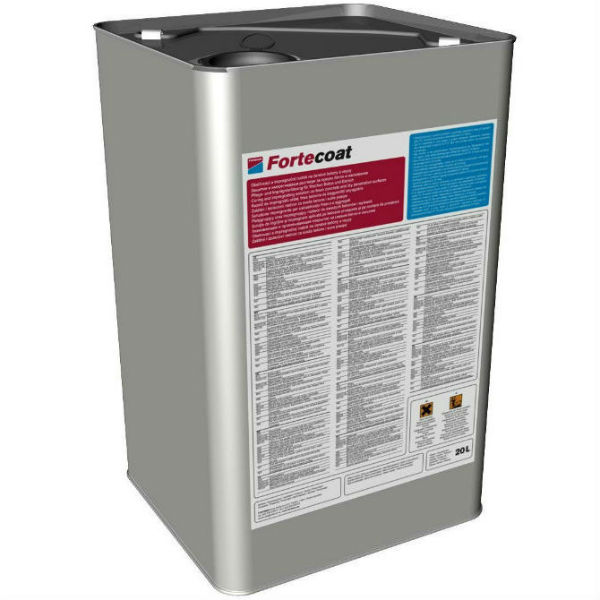
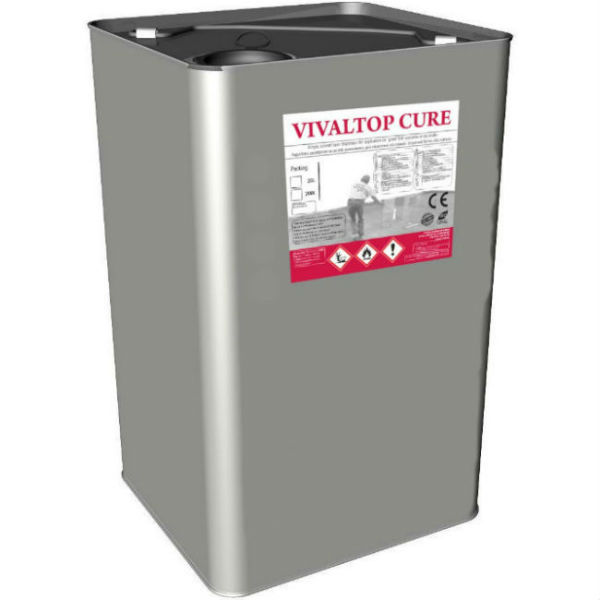
Solvent-based acrylic sealers are high-performance membrane-forming compounds designed for concrete and topping floor applications.
These sealers form a durable, transparent film on the surface of freshly placed concrete, reducing the evaporation rate of water, ensuring proper hydration, and contributing to the strength and durability of the concrete matrix.
Solvent-based acrylic formulations are composed of thermoplastic acrylic resins dissolved in organic solvents such as xylene, toluene, or acetone.
Once applied, the solvent rapidly evaporates, leaving behind a continuous and cohesive membrane that serves both as a curing compound and a protective coating.
Key Properties:
-
Rapid drying and strong adhesion to concrete
-
Glossy finish for aesthetic enhancement and dust-proofing
-
UV resistance for outdoor applications
-
Effective moisture retention for proper cement hydration
-
Compatible with mineral-based dry shake hardeners
Application Areas:
-
Power-troweled industrial concrete slabs
-
Decorative concrete surfaces
-
Topping floors with cementitious hardeners
-
External concrete walkways and loading docks
2. Solvent-Based Curing Compound for Fresh Concrete Floors
In freshly poured concrete, early moisture loss is one of the most critical threats to durability and performance.
Solvent-based curing compounds are designed to mitigate this risk by forming a film that controls evaporation during the curing process.
Solvent-based membrane-forming compounds are especially useful in challenging environmental conditions, such as high temperatures, low humidity, and direct exposure to wind or sunlight.
They significantly reduce plastic shrinkage and surface cracking during the initial setting period.
Typical Characteristics:
-
Ready-to-use formulations requiring no dilution
-
Fast film formation and dust-proofing effect
-
Facilitates proper curing even in exposed environments
-
Improves surface hardness and resistance to abrasion
Compatibility: These compounds are typically compatible with:
-
Silicate-based densifiers (after full curing)
-
Epoxy and polyurethane coatings (after mechanical surface preparation)
-
Subsequent adhesive or overlay systems
3. Safety Measures When Working with Solvent-Based Membrane-Formers
Working with solvent-based products requires strict adherence to occupational safety protocols.
The high volatility of solvents such as xylene, acetone, or aromatic hydrocarbons means that application should always take place in well-ventilated areas.
Personal Protective Equipment (PPE):
-
Organic vapor respirators
-
Chemical-resistant gloves
-
Safety goggles
-
Protective clothing
Environmental Considerations:
-
Avoid application near open flames or sparks due to flammability
-
Prevent runoff into stormwater systems
-
Store in tightly sealed, clearly labeled containers in shaded areas
Application Safety Tips:
-
Do not smoke during application
-
Use explosion-proof spray equipment
-
Ensure grounding of all equipment to prevent static discharge
-
Monitor air quality levels in enclosed or semi-enclosed areas
4. Advantages of Using Solvent-Based Sealers in Industrial Concrete Flooring
Solvent-based acrylic membrane-forming compounds offer numerous advantages when constructing industrial concrete floors, especially those incorporating dry shake hardeners or decorative finishes.
Key Advantages:
-
Enhanced Surface Durability: The membrane preserves surface moisture, improving strength and wear resistance.
-
Dust-Proofing: By binding surface particles, the compound minimizes dust generation in warehouses, factories, and workshops.
-
Improved Appearance: A solvent-based acrylic finish often results in a uniform, glossy surface that enhances color depth and reduces surface imperfections.
-
UV Stability: These compounds resist discoloration and degradation caused by prolonged sunlight exposure.
-
Fast Return to Service: Quick-drying solvents allow for rapid recoating or surface use in fast-track construction schedules.
-
Improved Chemical Resistance: Some formulations include additives that enhance resistance to oil, fuels, and cleaning agents, critical for industrial facilities.
Limitations:
-
Not suitable for use in poorly ventilated spaces due to fume hazards
-
Regulatory restrictions in some regions due to VOC emissions
-
Requires professional handling and proper storage
Conclusion
Solvent-based membrane-forming compounds remain a vital technology in the construction and protection of concrete and topping floors.
Their fast curing, excellent sealing capability, and durability make them suitable for heavy-duty applications, provided that safety and environmental protocols are strictly followed.
When specified and applied correctly, these compounds deliver a robust and aesthetically pleasing finish while ensuring long-term performance of the concrete substrate.