
Two-Component Polymer-Cement Waterproofing for Concrete Floors
Water damage remains one of the most significant threats to the integrity and longevity of concrete structures.
In both residential and industrial environments, effective waterproofing is essential to prevent deterioration, mold growth, and structural failure.
Among the most reliable and versatile solutions is two-component polymer-cement waterproofing — a system that combines the durability of cement with the flexibility of modern polymers.
This article explores the structure, application, and advantages of this advanced waterproofing technology, focusing on its use under ceramic tile, in wet areas, and for outdoor surfaces such as terraces and balconies.
Whether you are a contractor, architect, or property developer, this comprehensive guide will help you understand why two-component polymer-cement waterproofing is the solution of choice for many professionals.
1. Elastic Two-Component Cementitious Waterproofing Under Ceramic Tile
Ceramic tile systems, often used in wet zones like bathrooms and kitchens, rely heavily on a stable, waterproof substrate to prevent damage caused by water infiltration.
One of the best solutions for this is elastic two-component polymer-cement waterproofing.
What Is It?
This system consists of:
-
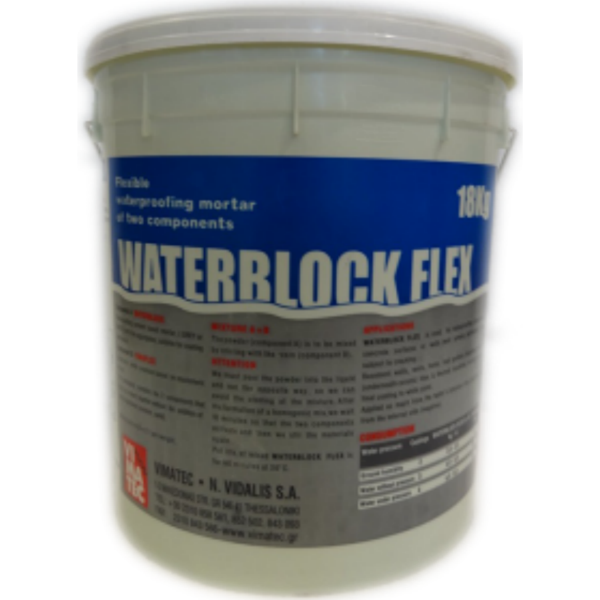
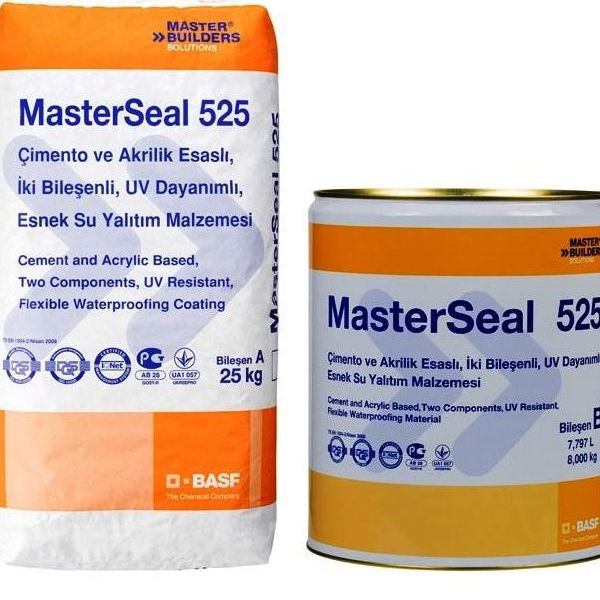
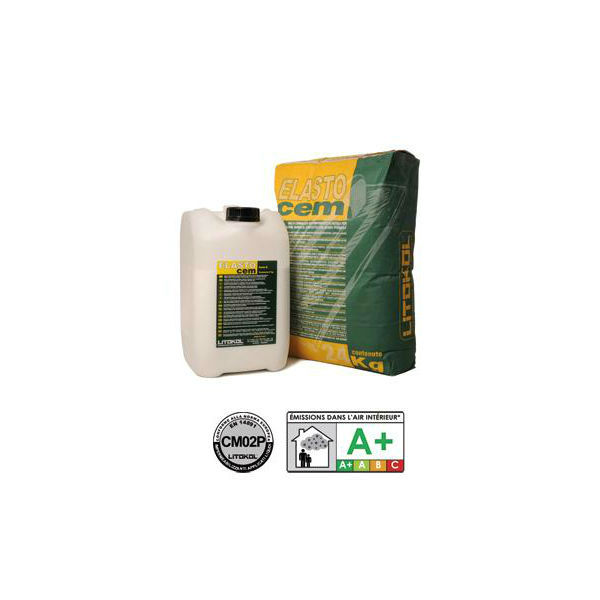
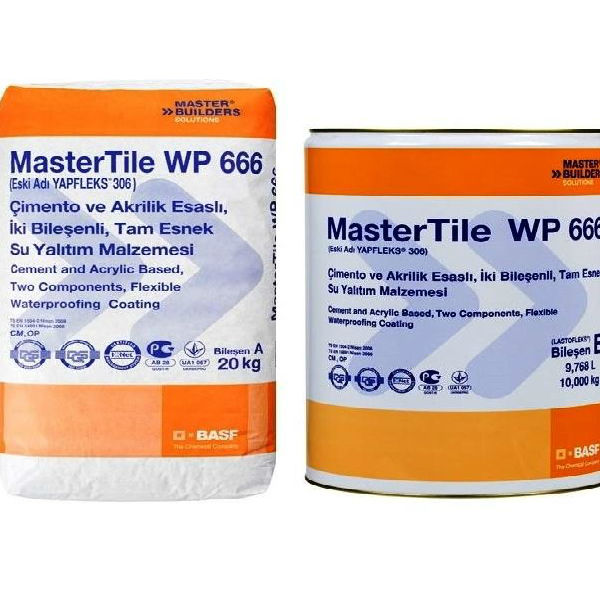
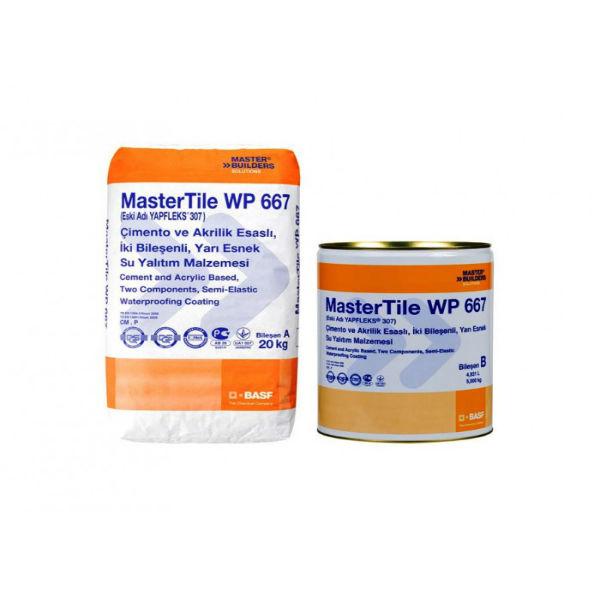
Component A: A pre-packed dry mix containing high-grade cement, aggregates, and additives.
-
Component B: A liquid polymer dispersion that enhances flexibility and adhesion.
When mixed together, they form a flexible, high-performance waterproof membrane that adheres tightly to concrete surfaces and resists cracking due to structural movement.
Why Use It Under Tiles?
-
Excellent Crack-Bridging Capability: Ideal for areas where hairline cracks or thermal movement may occur.
-
High Bond Strength: Enhances tile adhesion and prevents delamination.
-
Moisture Barrier: Prevents water from seeping into the substrate through tile grout.
Best Applications:
-
Showers and bathrooms.
-
Residential and commercial kitchens.
-
Spa zones and wet rooms.
-
Laundry areas.
2. Wear-Resistant, UV-Stable Elastic Waterproofing for Terraces and Balconies
Outdoor concrete surfaces such as balconies, terraces, and podium decks are constantly exposed to weather, temperature changes, and mechanical wear.
Therefore, these areas require a waterproofing system that is not only elastic but also resistant to UV radiation and environmental stress.
Key Features of This System:
-
Elasticity: Maintains flexibility in a wide temperature range, from freezing cold to hot summers.
-
UV Resistance: Does not degrade or yellow under sunlight exposure.
-
Abrasion Resistance: Withstands foot traffic, furniture movement, and thermal expansion.
-
Waterproof Barrier: Blocks water penetration from rain and snow.
Application System:
-
Surface preparation (clean, solid, slightly damp).
-
Mixing of both components to form a homogeneous slurry.
-
Application of two to three coats with a roller, trowel, or brush.
-
Optional reinforcement mesh to improve durability.
-
Allow proper curing before applying any top coating or tile.
Recommended Use Cases:
-
Concrete terraces.
-
Outdoor staircases.
-
Parking podiums.
-
Balconies with ceramic or stone finishing.
3. Polymer-Cement Waterproofing for Wet Areas
Wet areas are one of the most common zones requiring high-performance waterproofing.
Whether it’s a domestic bathroom or a large-scale commercial wet room, moisture protection is essential for long-term performance.
Challenges in Wet Zones:
-
Continuous exposure to humidity and direct water contact.
-
Risk of mold growth and material degradation.
-
Failure of tile adhesive due to moisture absorption.
Why Polymer-Cement Systems Excel:
-
Hydrophobic Properties: The polymer in the system repels water effectively.
-
Vapor Permeable: Allows trapped moisture within the concrete to evaporate without causing damage.
-
Joint-Free Application: Forms a continuous waterproof layer that minimizes leak points.
-
Mildew and Fungus Resistance: Creates an inhospitable surface for microbial growth.
Where to Apply:
-
Wet rooms in hospitals, hotels, and spas.
-
Sanitary blocks and public washrooms.
-
Changing rooms in gyms and swimming pools.
-
Domestic shower enclosures and utility rooms.
4. Advantages and Disadvantages of Using Elastic Cementitious Waterproofing for Concrete
✅ Advantages
✔️ Flexibility & Crack Bridging
Thanks to the polymer additives, the finished waterproof layer remains flexible even after curing, bridging hairline cracks and coping with substrate movement.
This is especially important for external and suspended slabs.
✔️ Excellent Adhesion to Concrete
Polymer-cement systems offer superior adhesion to rough or slightly damp concrete surfaces, unlike traditional bituminous or resin systems that require a perfectly dry base.
✔️ Breathable Yet Impermeable
The system blocks liquid water from passing through while allowing water vapor to escape from the concrete. This prevents pressure buildup and delamination.
✔️ Suitable for Positive and Negative Pressure
Unlike some membranes, these coatings can withstand both external water (positive pressure) and internal moisture seepage (negative pressure), making them suitable for basements and retaining structures.
✔️ UV & Weather Resistant Options
High-grade systems resist yellowing, chalking, and degradation under sunlight and adverse weather, perfect for terraces, rooftops, and balconies.
✔️ Simple Mixing & Application
The two components are pre-measured and easy to combine, ensuring consistent mixing ratios and easy site application with minimal training.
❌ Disadvantages
❗ Short Pot Life
Once mixed, the system must be applied within a limited time window (usually 30–45 minutes), or the product may begin to set, reducing workability and performance.
❗ Substrate Preparation is Crucial
Poor surface preparation can lead to loss of adhesion, pinholes, or blistering.
The substrate must be clean, sound, and free from oils, grease, or laitance.
❗ Not Suitable for Expansion Joints
While these systems bridge hairline cracks, they are not a replacement for proper joint systems.
Expansion joints still require flexible joint sealants or profiles.
❗ Requires Curing Time
Though fast-setting versions are available, full waterproofing performance typically requires 24–72 hours of curing, depending on ambient conditions.
Conclusion
Two-component polymer-cement waterproofing systems represent a next-generation solution for concrete floor protection.
Combining the strength of cement with the flexibility of polymers, these coatings address the core challenges of waterproofing in both interior and exterior environments.
From creating a robust under-tile membrane in wet zones to delivering weatherproof protection on terraces and balconies, this versatile system provides exceptional performance, durability, and ease of application.
Contractors and builders who choose these systems benefit from fewer callbacks, lower maintenance, and longer service life of their concrete structures.
Whether you’re working on a residential bathroom, a hotel spa, or a large commercial balcony, a two-component polymer-cement waterproofing system should be at the top of your list for effective and professional moisture protection.