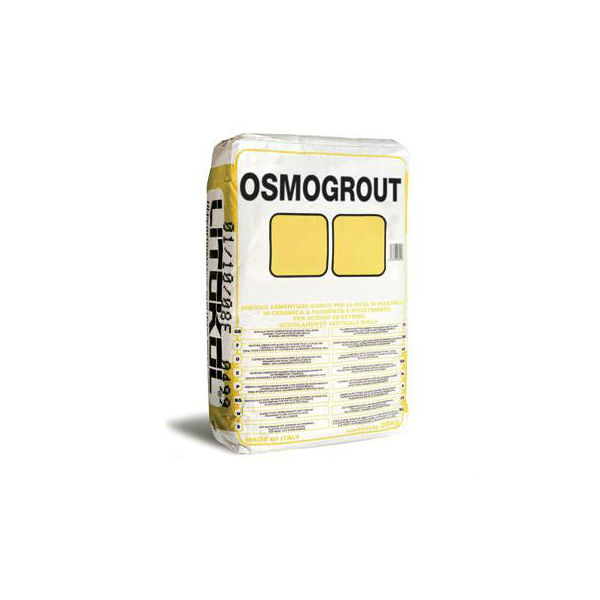
Penetrating Cementitious Waterproofing for Concrete Floors
Concrete is a durable and strong building material, but it is not impervious to water.
Moisture can seep into concrete floors through capillaries, micro-cracks, and joints, leading to long-term degradation, corrosion of reinforcement, and loss of structural integrity.
To combat this, penetrating cementitious waterproofing systems have emerged as one of the most effective and long-lasting solutions for protecting concrete surfaces.
This article explores the various types of penetrating cementitious waterproofing systems for concrete floors, their unique mechanisms, advantages, disadvantages, and best-use scenarios—including under ceramic tiles and in areas exposed to negative hydrostatic pressure.
1. One-Component Rigid Cementitious Waterproofing with Penetrating Action
One-component rigid cementitious waterproofing is a dry-mix formulation composed of high-performance cement, reactive fillers, and proprietary chemical compounds.
When mixed with water and applied to a damp concrete surface, the active components penetrate deep into the pores and capillaries of the concrete.
These chemicals react with moisture and unhydrated cement particles to form insoluble crystalline structures.
Key Features:
-
Penetrates up to 50 mm into the concrete.
-
Forms a waterproof barrier from within the concrete mass.
-
Does not peel, blister, or crack over time.
-
Withstands positive and negative hydrostatic pressure.
Applications:
-
Industrial floors with moisture migration.
-
Basements and underground structures.
-
Foundations and retaining walls.
-
Water tanks, pits, and reservoirs.
This type of waterproofing is ideal for non-flexing surfaces and structures that experience consistent moisture exposure from below.
2. One-Component Crystalline Waterproofing with Reinforced Shielding Effect
This variant of penetrating waterproofing introduces a shielding or armor-like effect, forming a denser and harder crystalline structure.
Often referred to as "crystalline armor waterproofing", this system enhances the abrasion resistance of the concrete surface while sealing the pores.
Enhanced Properties:
-
Creates a hydrophobic shield that prevents chemical ingress.
-
Increases surface hardness and resistance to mechanical wear.
-
Provides long-lasting protection even in aggressive environments.
Common Uses:
-
Warehouse and factory floors.
-
Underground parking garages.
-
Food-processing facilities and breweries.
-
Slabs exposed to industrial oils and chemicals.
This solution is applied like a slurry and becomes an integral part of the concrete, continuously self-healing minor cracks over time in the presence of moisture.
3. Penetrating Waterproofing Under Cement Tile Systems
Although ceramic tiles are often thought to provide waterproofing, the reality is quite different.
Water can penetrate through grout joints and unsealed tile edges, reaching the subfloor.
If this moisture is not controlled, it can lead to:
-
Tile debonding and cracking.
-
Mold and mildew formation.
-
Efflorescence (white salts on the surface).
-
Concrete degradation beneath the tile.
Solution: Cement-Based Penetrating Waterproofing Under Tiles
When applied before tiling, cementitious waterproofing:
-
Seals the pores and capillaries in the concrete base.
-
Protects the adhesive layer and prevents water seepage.
-
Improves bonding between the tile adhesive and the substrate.
Recommended Use:
-
Bathrooms and wet rooms.
-
Commercial kitchens.
-
Pool decks and outdoor tiled surfaces.
-
Balconies and terraces.
For tile systems, it's important to choose a compatible penetrating waterproofing system that does not interfere with tile adhesive performance.
4. Sealing Concrete Capillaries with Cementitious Brush-Applied Waterproofing
Capillaries in concrete are natural pathways for moisture migration.
Over time, they allow water, salts, and contaminants to infiltrate, causing:
-
Internal corrosion of reinforcement steel.
-
Surface spalling and cracking.
-
Chemical degradation of the concrete matrix.
Solution: Brush-On Capillary Sealing Systems
These waterproofing slurries are applied with a brush or roller to cleaned and moistened concrete surfaces.
Upon application, they penetrate the capillaries and trigger a chemical reaction that results in crystal formation, permanently sealing the microscopic channels.
Benefits:
-
Easy application—no complex machinery required.
-
Penetrates and seals even micro-pores and hairline cracks.
-
Compatible with old and new concrete.
-
Prevents water vapor transmission without blocking breathability.
These systems are ideal for floors with light to moderate moisture exposure, such as garages, storage rooms, and utility areas.
5. Advantages and Disadvantages of Penetrating Waterproofing for Concrete Floors
Advantages:
✅ Long-Lasting Protection
Penetrating waterproofing systems bond chemically with the concrete, becoming part of the structure.
This ensures durability even under aggressive environmental conditions.
✅ Self-Healing Capabilities
Some crystalline systems reactivate when moisture re-enters, automatically sealing new cracks or voids.
✅ Internal Protection
Unlike surface coatings, penetrating waterproofing protects from within, reducing the risk of peeling, cracking, or delamination.
✅ Breathability
Penetrating cementitious systems allow vapor diffusion while blocking liquid water, preventing condensation issues.
✅ Resistance to Positive and Negative Pressure
These systems block water ingress from both sides—ideal for underground or high-moisture environments.
Disadvantages:
❌ Limited Flexibility
Penetrating waterproofing systems are not suitable for moving joints or dynamic cracks—these require elastic sealants or flexible membranes.
❌ Surface Preparation Required
Concrete surfaces must be clean, damp, and free from contaminants before application, increasing preparation time.
❌ Incompatibility with Certain Surface Finishes
Because the system penetrates the concrete, it can alter surface properties, sometimes affecting aesthetics or bonding of certain finishes.
6. Stopping Moisture from Negative Hydrostatic Pressure in Concrete Floors
In many below-grade applications (e.g., basements, tunnels, and lift pits), concrete floors are subjected to negative hydrostatic pressure—where water tries to force its way into the structure from the outside.
Standard surface coatings often fail in these scenarios due to poor adhesion.
Why Penetrating Waterproofing Is Ideal for Negative Pressure:
-
It penetrates deep into the concrete structure rather than sitting on the surface.
-
Crystalline formation is triggered by water itself—activating protection in real-time.
-
It seals capillaries and fine cracks from within, regardless of pressure direction.
Common Problems Solved:
-
Rising groundwater infiltration.
-
Basement water seepage.
-
Floor slab moisture damage.
-
Wet patches on concrete floors despite topcoats.
By installing penetrating waterproofing before or after construction, these issues can be mitigated or fully resolved, enhancing the long-term performance of the structure.
Conclusion
Concrete floors are the foundation of industrial, commercial, and residential infrastructure, but their performance and lifespan are directly affected by moisture ingress.
Whether you're dealing with high groundwater, surface moisture, or tile installation in wet rooms, penetrating cementitious waterproofing systems provide a durable and internal line of defense.
From rigid one-component systems to crystalline solutions with a shielding effect, these technologies deliver protection that not only blocks moisture but becomes an integral part of the concrete itself.
Their ability to perform under negative pressure and self-heal over time gives them a unique edge in challenging environments.
While they are not a one-size-fits-all solution—especially where flexibility is required—penetrating cementitious waterproofing remains a core component of modern moisture control strategies for concrete flooring systems.