Hybrid Sealant for Joint Filling in Industrial Floors
MS polymer sealant
In industrial construction, ensuring the longevity and performance of concrete floors is critical.
One key aspect of floor maintenance and integrity is joint sealing.
Among modern solutions, hybrid sealants based on MS polymers stand out due to their flexibility, strong adhesion, and environmental safety.
This article explores the various types of hybrid joint sealants, their applications, and the pros and cons of using MS polymer-based materials in industrial settings.
1. One-Component MS Polymer Joint Sealant
One-component MS polymer sealants are widely used in sealing expansion, control, and construction joints in industrial concrete floors.
These sealants combine the benefits of polyurethane and silicone technologies, delivering both flexibility and durability.
Key Features
-
Moisture-Curing: Cures by reacting with atmospheric moisture.
-
Solvent-Free and Isocyanate-Free: Eco-friendly and safe for use indoors.
-
Elastic and Durable: Retains flexibility over a wide temperature range.
-
Excellent Adhesion: Binds well to concrete, metal, tiles, and other substrates without a primer in most cases.
Application Areas
-
Warehouses and logistic centers
-
Industrial production floors
-
Parking garages
-
Loading docks and terminal zones
Benefits
-
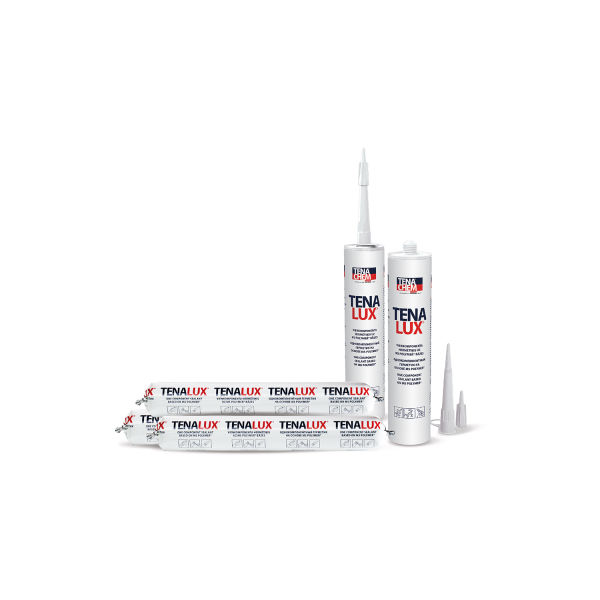
User-Friendly: Supplied ready-to-use in cartridges or sausages.
-
Odorless and Non-Toxic: Suitable for enclosed spaces and sensitive environments.
-
Fast Skin Formation: Speeds up construction and floor commissioning.
-
Weather Resistant: UV-stable and suited for outdoor use.
Limitations
-
Slower curing in extremely dry environments
-
Lower elongation compared to pure silicones
2. Two-Component Hybrid Joint Sealant
For demanding industrial environments, two-component hybrid sealants offer a higher performance solution.
These materials are formulated by combining silane-modified polymers with additional curing agents, resulting in enhanced durability, rapid curing, and optimized mechanical resistance.
Technical Characteristics
-
Pre-Mixing Required: Two components must be mixed immediately prior to application.
-
Rapid Cure Time: Controlled curing enables faster project completion.
-
High Shore Hardness: Suitable for heavy traffic areas and mechanical loads.
-
Custom Formulation Options: Tailored to specific floor movement or chemical exposure conditions.
Common Uses
-
Heavy-duty workshops
-
Chemical manufacturing plants
-
Logistics hubs with forklift traffic
-
Food and beverage processing zones
Benefits
-
Superior Load Resistance: Ideal for joints exposed to repeated movement and stress.
-
Exceptional Adhesion: Bonds securely even under dynamic conditions.
-
Minimal Shrinkage: Ensures long-term seal integrity.
Drawbacks
-
Requires trained application specialists
-
Pot life is limited—requires timely usage after mixing
-
Slightly higher material cost than one-component options
3. Why Joint Sealing Is Essential in Industrial Concrete Floors
Joint sealing is more than just a finishing detail—it's a structural necessity in maintaining the life and function of industrial flooring.
3.1 Moisture and Chemical Resistance
Industrial floors are frequently exposed to:
-
Water
-
Oils and greases
-
Acids and cleaning agents
Unsealed joints become vulnerable points where chemicals can penetrate and degrade the substrate.
Hybrid sealants form a waterproof, chemically resistant barrier that protects concrete integrity and reduces maintenance costs.
3.2 Movement Absorption
Concrete slabs expand and contract with:
-
Thermal changes
-
Vibration from machinery
-
Load stress from vehicles
Hybrid MS sealants accommodate this movement due to their high elongation properties, reducing the risk of cracking or edge spalling.
3.3 Safety and Hygiene
Unsealed or poorly sealed joints can cause:
-
Dirt accumulation
-
Mold growth
-
Trip hazards
This is especially important in food processing plants, pharmaceutical production, and cleanroom environments, where cleanliness is crucial.
MS polymer sealants offer a smooth, flush finish that resists contamination.
3.4 Compliance with Standards
Many industrial sectors require compliance with standards like:
-
HACCP (for food production)
-
ISO cleanroom classifications
-
OSHA safety regulations
Proper sealing ensures joints meet hygiene, performance, and safety requirements.
4. MS Polymer Sealants for All Types of Concrete Floor Joints
MS polymer-based sealants are incredibly versatile and can be applied to a wide variety of industrial joint types:
4.1 Expansion Joints
These joints allow for thermal expansion and contraction in large floor slabs.
MS polymer sealants remain elastic over time, preventing cracking or lifting.
4.2 Construction Joints
Formed where two concrete pours meet, these joints are prone to moisture ingress.
Hybrid sealants protect these vulnerable intersections from degradation.
4.3 Control (Contraction) Joints
Cut into the concrete to control shrinkage cracks, these joints need sealing to prevent water and debris infiltration. Hybrid sealants maintain flexibility while keeping the surface clean.
4.4 Floor-to-Wall and Perimeter Joints
These are often exposed to cleaning agents, splashes, or pressure washing.
MS sealants are water-resistant and bond excellently in vertical-to-horizontal transitions.
4.5 High-Traffic Load Zones
Areas subjected to constant forklift and pallet jack movement benefit from the abrasion resistance and elasticity of MS polymer sealants.
5. Advantages and Disadvantages of MS Polymer Sealants in Industrial Flooring
Choosing the right sealing material is vital to the success of an industrial floor system.
MS polymer sealants present numerous benefits but also a few limitations.
5.1 Advantages
a. Eco-Friendly and Safe
-
Free from isocyanates, solvents, and silicones.
-
Compliant with green building standards (LEED, BREEAM).
b. Excellent Adhesion
-
Bonds to most substrates without primer.
-
Can even adhere to slightly damp concrete surfaces.
c. UV and Weather Resistance
-
Suitable for indoor and outdoor use.
-
No yellowing or degradation under sunlight.
d. Non-Corrosive
-
Safe for use near metals and sensitive surfaces.
e. Paintable and Aesthetic
-
Available in a range of colors.
-
Accepts most industrial paints after curing.
f. Low Maintenance
-
Retains elasticity over years of exposure.
-
Resistant to microbial and fungal growth.
5.2 Disadvantages
a. Cost
More expensive than basic acrylic or bitumen sealants.
b. Surface Sensitivity
Surface preparation is crucial for optimal adhesion—dust, oil, or laitance can reduce bonding.
c. Mechanical Wear in Extreme Load Zones
In areas with extremely aggressive traffic, additional surface protection may be needed.
d. Cure Time Dependency
Cure speed may vary based on temperature and humidity levels.
Conclusion
In modern industrial construction, hybrid MS polymer sealants have emerged as a top-tier solution for sealing joints in concrete floors.
Whether you're using a one-component system for ease of application or a two-component solution for maximum performance, MS sealants offer a reliable, environmentally friendly, and long-lasting way to protect floor joints.
They not only extend the lifespan of industrial flooring but also improve safety, hygiene, and performance, particularly in sectors that demand the highest standards of cleanliness and durability.
By understanding the differences between sealant types and their appropriate applications, construction professionals can choose the best solution for every industrial project.