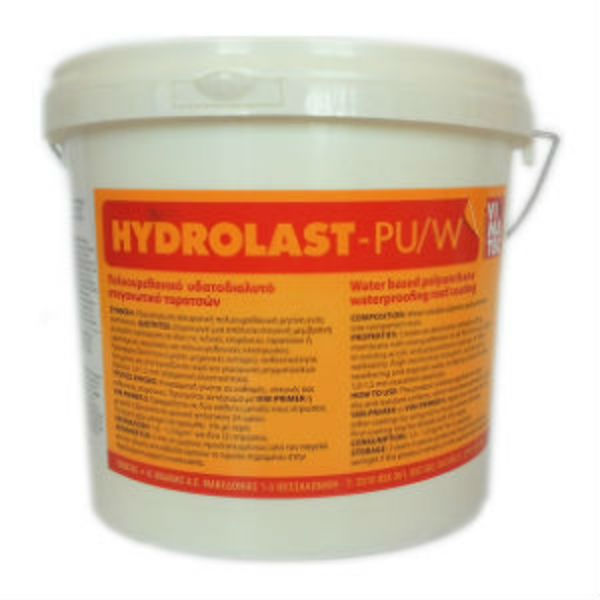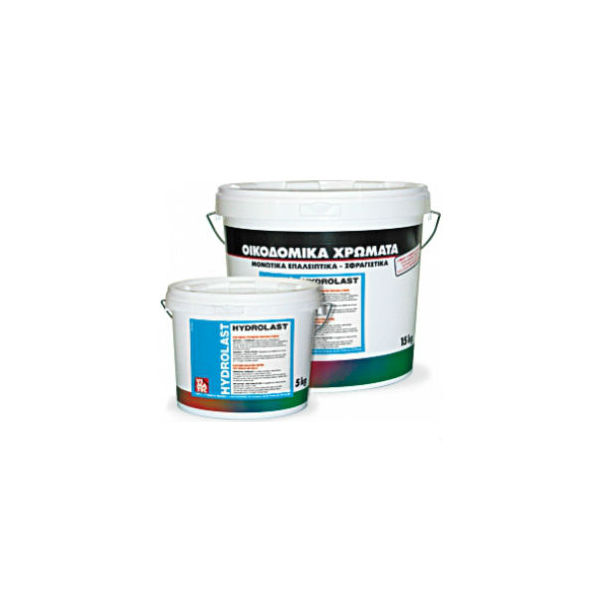
HIDROLAST | Bathroom floor waterproofing
Elastic acrylic waterproofing for concrete floors and screed
Shower floor waterproofing
Floor waterproofing under tiles
Floor waterproofing in the apartment
HIDROLAST | Elastomeric waterproofing coating for terraces, concrete floors, cement screeds.
- HYDROLAST | White, water-thinnable waterproofing coating based on modified acrylic resins.
-
It has excellent adhesion to any kind of building material: concrete, cement-lime plaster, drywall, brick and wood;
-
It has exceptional elasticity, effectively covering surface cracks in structural elements caused by deformation processes during construction work;
-
Due to its white color and physical and chemical properties, the material perfectly protects the surface of structures from ultraviolet radiation;
-
It is resistant to ultraviolet radiation, therefore it has increased durability;
-
Surface smoothness, optional;
-
The material provides a high degree of water resistance , the entire surface, because it does not create seams and joints, which are inevitable in other types of waterproofing works;
- Resistant and hardy to alkaline-acid influences, as well as to atmospheric precipitation.
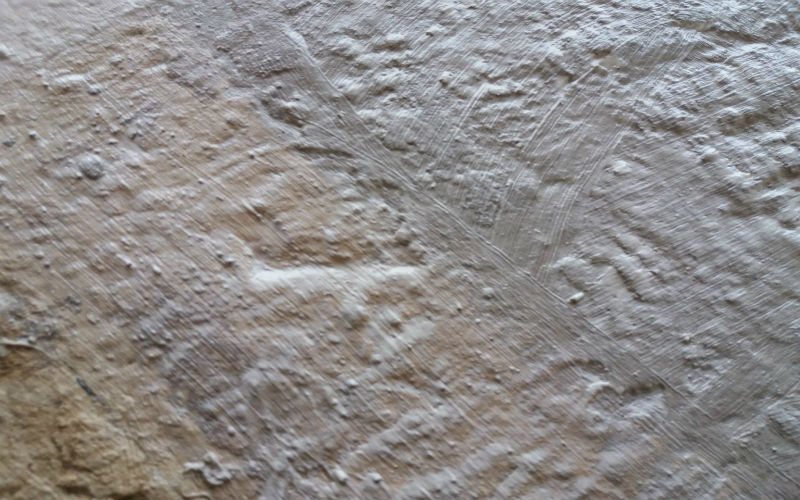
Acrylic floor waterproofing
Application Recommendations
-
HYDROLAST - waterproofs terraces, balconies, walls, as well as wet room surfaces, etc.;
-
It is used as a waterproofing coating and, when the material is set, forms a waterproof membrane with excellent elasticity;
-
It is not recommended to use HYDROLAST for sealing surfaces that are subject to constant contact with water (water storage tanks);
-
Waterproofing must be protected from mechanical stress and wear, using tiles, parquet, laminate, screed.
-
Waterproofing the floor in the garage.
-
Waterproofing on the loggia.
-
Balcony waterproofing.
-
Floor waterproofing in a private house.
-
Floor waterproofing in the apartment.
-
Bathroom floor waterproofing.
- Floor waterproofing in car service.
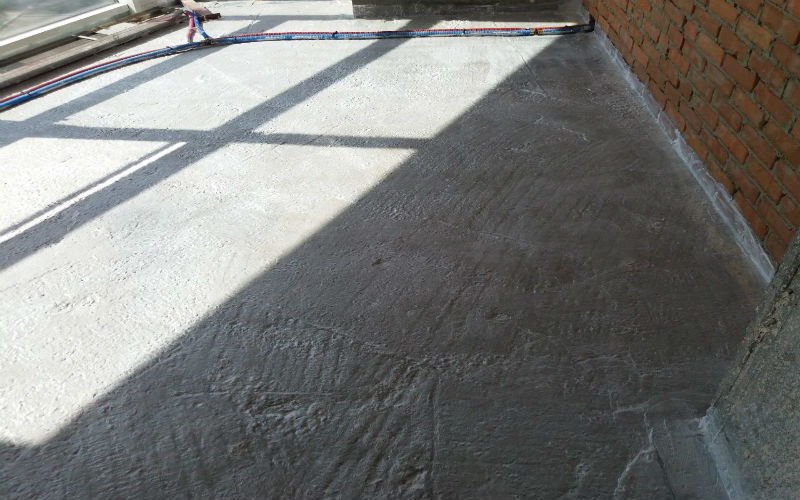
Floor waterproofing in the apartment
Specifications
|
Water permeability |
7 at for 24 hours
|
|
Elasticity |
Elongation at break for film thickness 1 mm>200%
|
|
Temperature Range |
From - 30 oC to + 90 oC
|
|
The foundation |
water, acrylic
|
|
UV resistance |
Yes
|
|
Color |
White, transparent
|
Preparation for application
-
The base must be solid, free of dust, loose fragments, traces of dirt, paints, oil stains, etc.;
-
Flaws on the surface of structures - voids, dents, chipped parts, etc. filled with VIMACRET polymer-cement repair mortar or cement mortar, mixing it with VIRESIN, VIRENOL building emulsion;
-
Seams and cracks are treated with polymer or polyurethane mastic.
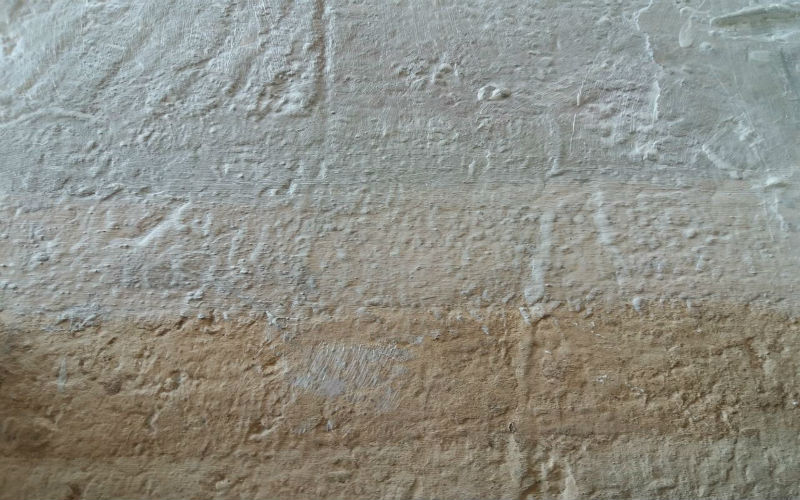
Cleaning the floor before waterproofing
TECHNOLOGY OF APPLICATION
-
The material is applied with a brush, roller or spray gun (airless);
-
The surface is preliminarily primed with PRIMER or VIM - PRIMER - S or HYDROLAST diluted with water up to 30%;
-
Next, the material itself is applied, at least in two layers;
-
Each new layer is applied after the final drying of the previous one;
-
Surface cracks are covered with a special polypropylene (PP) tape or fiberglass;
-
This reinforcement is fastened with fresh HYDROLAST and then two subsequent layers of coating are already applied;
-
Reinforce should be carefully and carefully to avoid the formation of voids in these places.
Priming the floor before waterproofing
CONSUMPTION
-
Approximately 0.2 kg/m 2 of material is consumed for each applied layer of vertical surface;
-
Per layer for horizontal surface: 0.4kg/m 2.
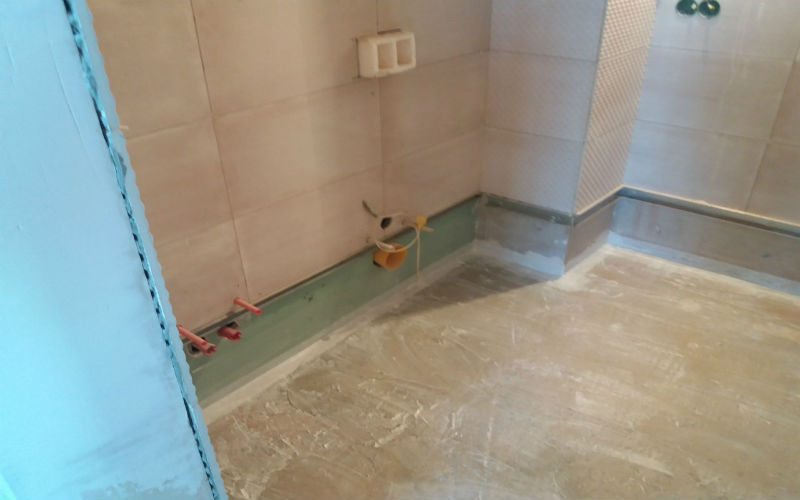
Bathroom waterproofing
TOOL CARE
Tools used in the work are washed with water.
STORAGE
HYDROLAST is packaged in plastic sealed canisters, stored at >0 o C for a minimum of 12 months.
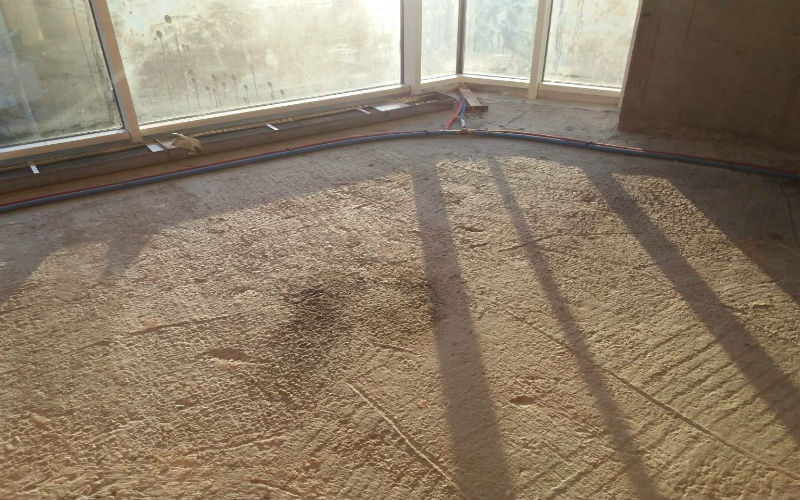
Waterproofing the floor before the screed