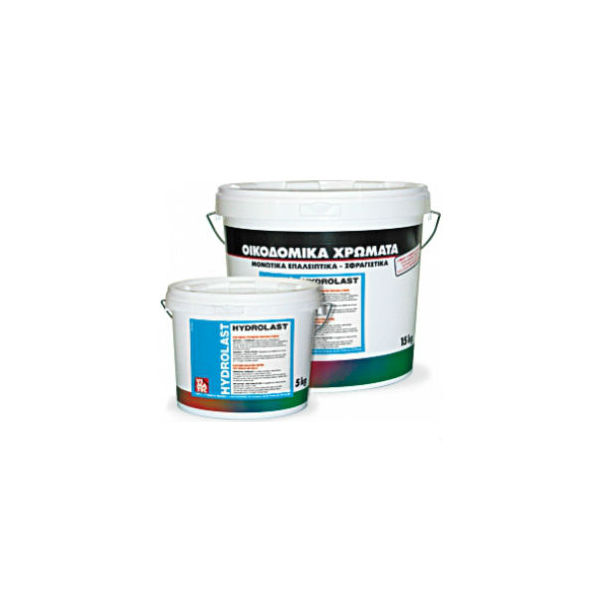

Acrylic Waterproofing for Concrete Floors
1. Acrylic Waterproofing for Wet Areas
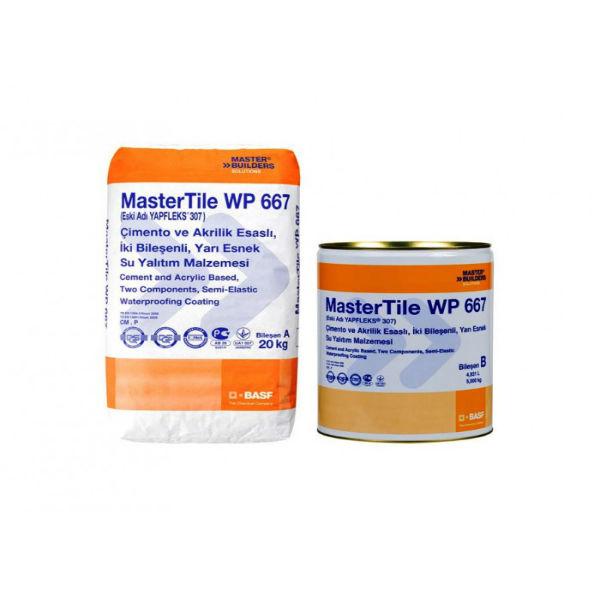
Acrylic waterproofing systems are widely used in wet areas due to their flexibility, ease of application, and excellent adhesion to concrete substrates.
These one-component or two-component liquid membranes are water-based, making them safe for interior use and environmentally friendly.
Wet areas such as bathrooms, showers, kitchens, and laundry rooms are constantly exposed to moisture. Acrylic waterproofing coatings create an elastic film that prevents water infiltration, protecting both the concrete substrate and underlying structural components.
The elasticity of acrylic membranes allows them to accommodate minor substrate movements and hairline cracks, which are common in wet zones.
In addition, the breathable nature of many acrylic membranes allows moisture vapor to escape from the substrate, reducing the risk of blistering or peeling.
This property makes acrylic waterproofing ideal for interior renovations and refurbishments, particularly when moisture presence in existing substrates is a concern.
Application is straightforward: after surface preparation, the acrylic coating is applied using a roller, brush, or spray in multiple layers.
Reinforcement mesh may be embedded for additional durability, especially around joints and corners.
These membranes are compatible with most primers and tiling adhesives, allowing seamless integration into construction or renovation workflows.
2. Acrylic Waterproofing for Industrial Floors
Industrial floors demand durable, chemical-resistant, and high-performance waterproofing solutions.
While epoxy and polyurethane systems are often used in harsh environments, acrylic waterproofing offers unique benefits in specific industrial settings.
Acrylic waterproofing coatings are particularly useful in facilities that require moderate chemical resistance, fast curing, and UV stability.
Examples include food processing plants, beverage production areas, pharmaceutical facilities, and warehouses with moderate traffic.
Their low VOC formulation makes them safe for use in enclosed spaces, and the water-based nature of these products ensures easy cleanup and low environmental impact.
One of the key advantages in industrial settings is the ability to apply acrylic coatings on damp substrates.
This feature significantly reduces downtime and speeds up the waterproofing process, which is essential in facilities that cannot afford extended closure periods.
Moreover, the elastomeric properties of acrylic membranes provide excellent crack-bridging ability, making them suitable for concrete floors with dynamic movements or minor settling.
This flexibility helps prolong the lifespan of the concrete and reduces maintenance costs over time.
However, acrylic coatings may not be suitable for areas with continuous standing water or severe chemical exposure. In such cases, hybrid systems or topcoats may be required to enhance performance.
3. Acrylic Waterproofing Under Ceramic Tiles
One of the most common uses of acrylic waterproofing is as a protective membrane beneath ceramic tiles.
Whether in residential bathrooms or commercial kitchens, ensuring the subfloor is properly sealed is critical to prevent water damage, mold growth, and tile failure.
Acrylic membranes provide a smooth, flexible base that supports tile adhesion while delivering waterproof protection.
These coatings adhere well to concrete substrates, leveling compounds, and cementitious screeds, making them compatible with various under-tile systems.
To prepare the substrate, the surface must be clean, dry or slightly damp, and free from dust, grease, and contaminants.
Acrylic coatings are typically applied in two to three coats, with each layer drying before the next application.
Reinforcement mesh is often used in areas subject to movement or where joints, corners, and pipe penetrations are located.
Once cured, the membrane forms a seamless waterproof layer that resists water ingress even under tile joints. Tiling adhesives should be compatible with the acrylic membrane, ensuring strong bond strength and durability.
Additionally, acrylic waterproofing membranes provide flexibility, essential in wet areas with temperature fluctuations or minor structural movement.
This flexibility helps prevent cracking of the tiles and protects the floor system from water-induced damage.
4. Advantages and Disadvantages of Acrylic Waterproofing for Concrete Floors
Advantages:
-
Ease of Application: Acrylic coatings are simple to apply using conventional tools like rollers and brushes. Their user-friendly nature makes them ideal for both professionals and DIY use.
-
Environmentally Friendly: Water-based formulations reduce harmful emissions and allow for easy disposal and cleanup.
-
Flexible and Crack-Resistant: Acrylic membranes accommodate substrate movements and minor cracks without losing integrity.
-
UV Stability: Many acrylic waterproofing products are UV-resistant, making them suitable for exposed surfaces such as balconies and terraces.
-
Fast Drying and Low Odor: Rapid curing times reduce downtime, and low odor ensures comfort during application in enclosed areas.
-
Breathability: Allows vapor to escape while preventing liquid ingress, minimizing the risk of blistering or delamination.
Disadvantages:
-
Limited Chemical Resistance: Compared to polyurethane or epoxy systems, acrylic coatings may offer lower resistance to aggressive chemicals.
-
Lower Abrasion Resistance: Acrylic waterproofing is not ideal for areas with heavy mechanical wear unless reinforced or top-coated.
-
Sensitivity to Ponding Water: Prolonged water exposure can lead to degradation; not suitable for areas with standing water unless properly detailed and protected.
-
Multiple Coats Required: For optimal performance, several coats are typically needed, which may extend labor time.
-
Less Suitable for Heavy-Duty Applications: In high-traffic or high-impact areas, other systems like polyurethane or polyurea may be more durable.
Conclusion
Acrylic waterproofing is a versatile, economical, and efficient solution for protecting concrete floors in various environments. Its flexibility, ease of application, and environmental friendliness make it particularly valuable for wet areas, light industrial zones, and under-tile installations.
However, it's important to assess the specific requirements of each project to determine if acrylic waterproofing is the most suitable option, or if a hybrid or alternative system is needed for enhanced performance.
By selecting the appropriate acrylic waterproofing system and ensuring proper surface preparation and application, contractors and building owners can significantly extend the service life of concrete floors and prevent costly water-related damage.