Industrial ceramic tiles
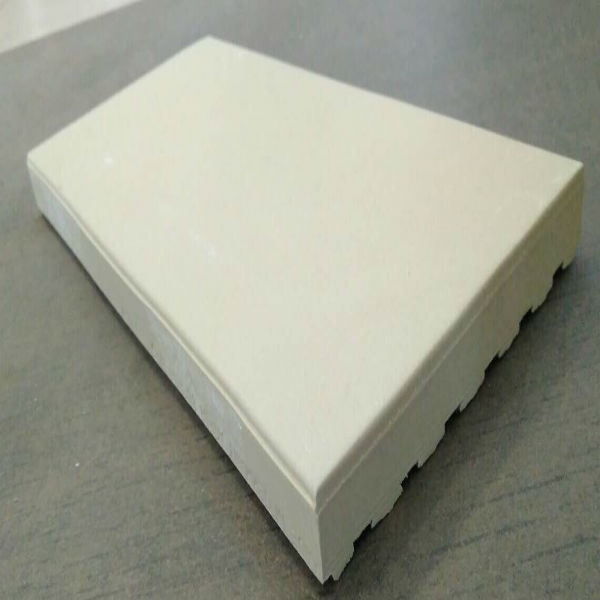
Acid-resistant tiles
Industrial Ceramic Floor Tiles: A Durable and Reliable Flooring Solution
Industrial ceramic tiles are an essential flooring solution for manufacturing facilities, warehouses, and food processing plants.
Designed to withstand heavy machinery, high foot traffic, and harsh chemicals, these tiles offer unparalleled durability, safety, and hygiene.
This article explores the various applications of industrial ceramic tiles, with a focus on their use in manufacturing facilities, acid-resistant tiles for the food industry, and the advantages and disadvantages of ceramic tiles for industrial floors.
1. Industrial Ceramic Tiles for Manufacturing Facilities
Manufacturing environments demand flooring that can endure extreme conditions, heavy loads, and constant movement of machinery and personnel.
Industrial ceramic tiles are engineered to meet these requirements while maintaining functionality and safety.
Benefits:
-
High Load Capacity: These tiles can support the weight of heavy equipment and machinery without cracking or deforming.
-
Chemical and Stain Resistance: Industrial ceramic tiles are resistant to chemicals, oils, and solvents commonly found in manufacturing plants.
-
Thermal Shock Resistance: They can withstand extreme temperature changes without damage, making them ideal for facilities with high-temperature processes.
-
Slip Resistance: Many industrial ceramic tiles feature anti-slip coatings, ensuring worker safety and reducing the risk of accidents.
-
Fireproof Properties: Ceramic tiles are non-combustible, making them a fire-resistant flooring option for industrial settings.
-
Minimal Maintenance: These tiles require only basic cleaning, helping facilities reduce long-term maintenance costs.
Considerations:
-
Higher Initial Cost: While industrial ceramic tiles are durable, their upfront cost can be higher than other flooring options.
-
Installation Complexity: Professional installation is required to ensure longevity and durability.
-
Potential Surface Wear: In extremely high-traffic areas, the surface may show signs of wear over time and require refinishing.
2. Acid-Resistant Ceramic Tiles for the Food Industry
The food industry requires specialized flooring that meets strict hygiene and safety standards while resisting exposure to acids, oils, and other corrosive substances.
Acid-resistant ceramic tiles provide an optimal solution for food processing plants, dairy facilities, and commercial kitchens.
Benefits:
-
Chemical and Acid Resistance: These tiles are specifically designed to withstand exposure to acidic substances found in food production, such as citrus acids, vinegar, and cleaning agents.
-
Hygienic Surface: The non-porous nature of acid-resistant ceramic tiles prevents the absorption of liquids and bacteria, making them easy to clean and maintain.
-
Durability in Harsh Conditions: They can handle extreme temperatures, heavy machinery, and constant cleaning procedures without deteriorating.
-
Slip-Resistant Finishes: To ensure worker safety, many acid-resistant tiles come with textured surfaces to reduce the risk of slipping.
-
Waterproof and Corrosion-Resistant: These tiles do not absorb moisture, preventing mold growth and structural damage.
Considerations:
-
Limited Design Variety: Functionality is prioritized over aesthetics, leading to fewer design and color choices.
-
Higher Cost: Acid-resistant tiles are more expensive due to their specialized composition and manufacturing process.
-
Specialized Installation Requirements: Proper adhesives and grouts are necessary to maintain the integrity of acid-resistant tiles, requiring professional expertise.
3. Advantages and Disadvantages of Ceramic Tiles for Industrial Floors
Industrial ceramic tiles offer numerous benefits but also come with a few challenges. Evaluating their advantages and disadvantages helps businesses determine whether they are the right choice for their facilities.
Advantages:
-
Exceptional Durability: These tiles are built to withstand heavy loads, extreme temperatures, and high-impact stress.
-
Chemical and Stain Resistance: They provide excellent protection against industrial chemicals, ensuring longevity in harsh environments.
-
Low Maintenance Requirements: Unlike other flooring options, industrial ceramic tiles require minimal upkeep and are easy to clean.
-
Safety Features: With slip-resistant coatings and fireproof properties, ceramic tiles contribute to a safer work environment.
-
Eco-Friendly Choice: Many industrial ceramic tiles are made from natural materials and can be recycled, reducing environmental impact.
Disadvantages:
-
High Upfront Cost: The initial investment, including materials and installation, can be significant.
-
Installation Complexity: Proper installation is crucial for ensuring durability and long-term performance.
-
Hard and Cold Surface: The rigid and cool nature of ceramic tiles may not be ideal for certain work environments.
-
Potential for Surface Damage: While highly durable, ceramic tiles can crack or chip under extreme impact, requiring periodic repairs.
Conclusion
Industrial ceramic floor tiles are an excellent choice for manufacturing facilities, warehouses, and food processing plants.
Their durability, chemical resistance, and safety features make them a reliable flooring option for demanding industrial environments.
While acid-resistant ceramic tiles offer specialized protection for food industry applications, all industrial ceramic tiles share the benefits of longevity and low maintenance.
By understanding the advantages and potential drawbacks, businesses can make informed decisions when selecting the best flooring for their needs, ensuring long-term performance and safety.