

Effective Technologies for Repairing All Types of Floors and Floor Coverings
Introduction
The integrity and functionality of floor systems in industrial, commercial, and residential buildings significantly influence operational safety, interior aesthetics, and long-term durability.
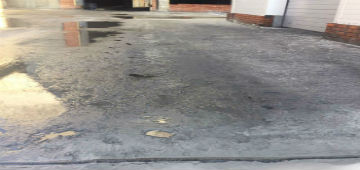
Over time, floors are subject to mechanical stress, thermal cycling, chemical exposure, and environmental wear, all of which can lead to degradation.
Effective floor repair technologies are essential to restore performance, maintain safety standards, and extend service life.
This article explores cutting-edge repair materials, methods, and tools for various types of floors, offering a comprehensive guide to modern floor rehabilitation techniques.
1. Common Types of Floor Damage and Their Causes
Understanding the root causes of floor damage is essential for selecting the appropriate repair technology. The most common issues include:
-
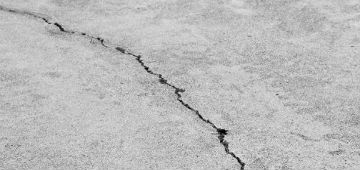
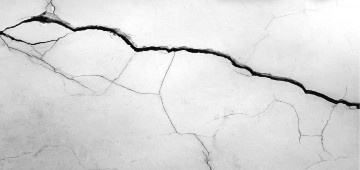
Cracking due to drying shrinkage, settlement, or thermal movement.
-
Spalling from freeze-thaw cycles or impact loading.
-
Delamination of surface coatings or toppings.
-
Moisture ingress leading to mold or substrate failure.
-
Abrasion and wear, especially in high-traffic areas.
Damage can occur in concrete, epoxy, polyurethane, vinyl, ceramic, and wood flooring systems.
Each material requires tailored repair approaches to ensure compatibility and performance.
2. Technologies for Concrete Floor Repair
2.1 Cementitious Repair Compounds
Cement-based mortars and microconcretes are commonly used for restoring structural concrete floors. Key features include:
-
Fast-setting, shrinkage-compensated formulations.
-
Polymer-modified for enhanced adhesion and flexural strength.
-
Suitable for large-scale structural repairs or localized patching.
2.2 Epoxy and Polyurethane Crack Injection
These two-component systems are injected into fine or structural cracks to restore monolithic behavior:
-
Epoxies provide high mechanical strength, ideal for load-bearing repairs.
-
Polyurethanes are moisture-tolerant and flexible, suitable for dynamic cracks.
2.3 Floor Grinding and Resurfacing
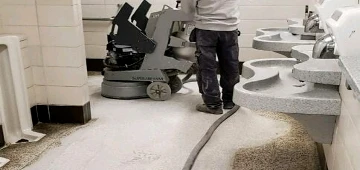
Mechanical removal of damaged concrete via diamond grinding or milling prepares the substrate for overlays or coatings.
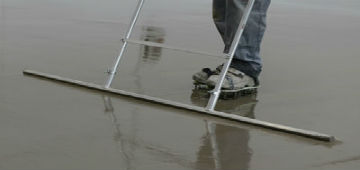
This technology is often followed by the application of self-leveling screeds or high-performance toppings.
3. Repair Technologies for Resin Floors
Polymer-based floors like epoxy and polyurethane are widely used in industrial environments. Repair strategies include:
3.1 Surface Defect Filling
-
Use of epoxy or MMA-based repair mortars to restore impact damage or gouges.
-
Application of color-matched materials for aesthetic consistency.
3.2 Resealing and Recoating
-
Surface preparation with shot blasting or diamond sanding.
-
Application of new resin layers (epoxy or PU) to restore chemical and abrasion resistance.
3.3 Joint Repair Systems
-
Saw-cutting and cleaning of joints.
-
Backer rod placement and sealing with flexible joint sealants (PU or hybrid polymers).
4. Floor Covering Repair: Vinyl, LVT, Linoleum, and Carpet
4.1 Vinyl and LVT Repair
-
Heat welding to seal seams or cuts.
-
Replacement patches cut and glued with dispersion or acrylic adhesives.
4.2 Linoleum Repair
-
Application of color-repair paste for small abrasions.
-
Use of contact adhesives for corner lifting or seam repair.
4.3 Carpet Repair
-
Re-stretching using power stretchers or knee kickers.
-
Patching using carpet remnants and seam tape.
5. Repair Techniques for Ceramic and Stone Flooring
5.1 Grout Restoration
-
Removal of damaged grout using oscillating tools.
-
Application of new cementitious or epoxy grout.
5.2 Tile Replacement
-
Lifting cracked tiles with minimal substrate damage.
-
Cleaning and repairing the substrate.
-
Installing replacement tiles with appropriate adhesive and regrouting.
5.3 Crack Isolation Membranes
-
Use of crack suppression membranes under new tile layers to prevent reflective cracking.
6. Repair of Wooden Floors
6.1 Surface Refinishing
-
Sanding and resealing using polyurethane or oil-based sealants.
6.2 Spot Repairs
-
Replacement of individual boards using saws and chisels.
-
Use of wood fillers and stains for aesthetic blending.
6.3 Subfloor Stabilization
-
Re-fastening or shimming to eliminate squeaks and movement.
-
Moisture barrier installation for long-term durability.
7. Modern Tools and Equipment for Floor Repair
-
Diamond grinders and scarifiers for substrate preparation.
-
Vacuum systems with HEPA filters for dust control.
-
Injection pumps for resin crack repair.
-
Trowels, rakes, and mixers for mortar application.
-
Thermal welders for vinyl seam repairs.
8. Advanced Materials for Floor Repair
-
Fast-curing MMA systems for rapid turnaround.
-
Carbon-fiber reinforcements for structural crack repair.
-
Fiber-reinforced cementitious overlays for high-load zones.
-
Elastomeric sealants for expansion joints.
9. Floor Repair Best Practices and Standards
-
Follow manufacturer datasheets and safety protocols.
-
Ensure proper substrate preparation and ambient conditions.
-
Comply with international repair standards (e.g., ASTM, EN, ACI).
Conclusion
Effective floor repair is a multidisciplinary task requiring the integration of diagnostics, material science, and skilled application.
The right combination of repair technologies not only restores surface functionality but also prolongs service life and enhances performance.
As construction materials and repair compounds evolve, facility owners and contractors must stay informed about the latest techniques to ensure sustainable, safe, and high-performing floor systems.
