

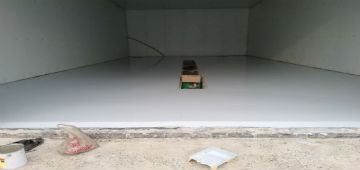
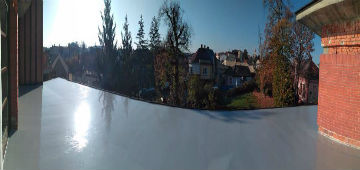
Polyurethane coating install. Polymeric floors for a terrace.
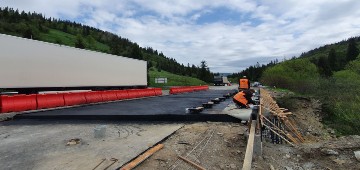
Effective Technologies and Materials for Waterproofing All Types of Floors and Floor Coverings
Introduction
Waterproofing is a critical component in the construction and maintenance of all types of floor systems, whether industrial, commercial, or residential.
Effective waterproofing prevents moisture ingress, structural degradation, microbial growth, and flooring failures.
With the expansion of flooring technologies and the increasing performance demands of modern buildings, advanced waterproofing methods and materials have become integral to ensuring the longevity and functionality of floor coverings.
This article outlines key waterproofing technologies and materials applicable to concrete substrates, polymer systems, tiles, and various other floor coverings.
1. Importance of Waterproofing in Floor Systems
Waterproofing serves as the first line of defense against water damage in buildings.
Floors, particularly those installed in below-grade environments, wet rooms, balconies, or industrial facilities, are constantly exposed to water, chemical spills, and vapor.
Inadequate waterproofing leads to moisture penetration, causing concrete deterioration, adhesive failures, mold development, and weakening of floor structures.
Modern waterproofing technologies aim to mitigate these risks through a combination of chemical formulations and physical barriers.
Key Benefits of Floor Waterproofing:
-
Prevents concrete degradation and corrosion of reinforcements
-
Enhances adhesion and durability of surface coatings and coverings
-
Reduces the risk of mold, mildew, and bacteria growth
-
Ensures compliance with building codes and hygiene regulations
-
Increases the lifespan of floor systems
2. Cementitious Waterproofing Systems
Cementitious waterproofing is widely used in floor installations, particularly for concrete subfloors.
These systems consist of pre-blended cement-based materials modified with polymers to improve elasticity and adhesion.
Types of Cementitious Waterproofing Products:
-
Single-component systems: Pre-mixed with polymer additives; easy to apply.
-
Two-component systems: Require onsite mixing of dry powder and liquid polymer.
-
Flexible cementitious coatings: Suitable for substrates subject to slight movements and temperature changes.
Application Areas:
-
Basements
-
Bathrooms
-
Water tanks and reservoirs
-
Parking garages
Cementitious waterproofing can be applied by brush, roller, or spray.
These systems often serve as the base for tiling or further surface treatment.
3. Liquid-Applied Waterproofing Membranes
Liquid-applied membranes (LAMs) are seamless coatings that form an elastomeric barrier once cured.
They are ideal for complex floor geometries, transitions, and penetrations.
Types of Liquid Membranes:
-
Polyurethane (PU): Highly elastic, resistant to UV and chemicals, suitable for indoor and outdoor floors.
-
Polyurea: Extremely fast-curing, durable, and abrasion-resistant; ideal for industrial applications.
-
Acrylic-based: Water-based, cost-effective, and easy to apply.
-
Bituminous-based: Used in below-grade or exterior flooring systems.
Advantages:
-
Seamless finish without joints or seams
-
High crack-bridging capability
-
Resistant to standing water and chemical spills
Use Cases:
-
Wet areas (bathrooms, kitchens)
-
Roof decks
-
Balconies and terraces
-
Industrial flooring under polymer coatings
4. Sheet Membrane Waterproofing Systems
Sheet membranes are pre-manufactured rolls of waterproofing material applied directly to the substrate using adhesives, heat welding, or mechanical fastening.
Types of Sheet Membranes:
-
PVC (Polyvinyl Chloride): Flexible, weldable, and suitable for roofs and commercial floor installations.
-
TPO (Thermoplastic Polyolefin): Eco-friendly, UV-resistant, and durable.
-
HDPE (High-Density Polyethylene): High chemical resistance and puncture resistance.
-
Bituminous sheets: Common in subgrade construction.
Installation Considerations:
-
Requires precise substrate preparation
-
Overlaps and joints must be sealed meticulously
-
Can be used in combination with drainage systems
Typical Applications:
-
Basements and foundations
-
Green roofs
-
Wet process manufacturing floors
5. Epoxy and Polyurethane Waterproofing Coatings
Epoxy and polyurethane-based coatings provide both waterproofing and protective functions, particularly in high-performance floor systems.
Epoxy Coatings:
-
Offer high mechanical strength and chemical resistance
-
Serve as moisture barriers under resin flooring systems
-
Require moisture-tolerant primers on damp concrete
Polyurethane Coatings:
-
Excellent elasticity and crack-bridging
-
Applied in multiple layers for enhanced protection
-
Commonly used in food processing and pharmaceutical facilities
These systems are typically installed over properly primed concrete surfaces and may incorporate anti-slip aggregates or additional topcoats.
6. Waterproofing Additives for Concrete Floors
Integrally waterproofed concrete uses chemical admixtures that react with cement hydration products to block capillaries and microcracks.
Common Waterproofing Additives:
-
Crystalline admixtures: Form insoluble crystals in concrete pores
-
Hydrophobic pore blockers: Repel water while allowing vapor transmission
-
Integral waterproofing compounds: Combine water reducers and permeability reducers
Benefits:
-
Permanent waterproofing from within the concrete matrix
-
Suitable for industrial floor slabs, underground parking, tunnels
-
Reduces the need for surface-applied membranes
7. Vapor Barriers and Moisture Control Systems
Moisture vapor transmission (MVT) can cause flooring system failures even when liquid water is not present.
Vapor barriers prevent this through impermeable layers applied to or under concrete slabs.
Types of Vapor Barriers:
-
Epoxy-based MVT barriers
-
Polyethylene sheeting (6–10 mil thickness)
-
Self-leveling underlayment with vapor-resistant properties
These systems are essential before installing moisture-sensitive floor finishes such as vinyl, rubber, or engineered wood.
8. Waterproofing for Specific Flooring Types
Tile Flooring:
-
Requires waterproof underlayment (cement boards, LAMs)
-
Grout and tile adhesive should be water-resistant
-
Joints and transitions must be sealed with silicone or polyurethane sealants
Wood Flooring:
-
Needs vapor barrier underlayment
-
Wood should be acclimated to ambient humidity
-
Engineered wood preferred over solid wood in moist areas
Vinyl and Laminate Flooring:
-
Install over vapor barrier membranes
-
Use waterproof click-lock systems
-
Seam sealing required for full protection
Polished Concrete Floors:
-
Surface densifiers reduce porosity
-
Silane or siloxane sealers provide hydrophobic surface treatment
9. Hybrid and Multilayer Waterproofing Systems
Modern floor waterproofing increasingly uses hybrid systems that combine the strengths of different materials. Examples include:
-
Cementitious base with polyurethane topcoat
-
Crystalline concrete with LAM surface coating
-
Sheet membranes combined with moisture-tolerant epoxy primers
These systems offer redundancy and ensure waterproofing integrity even under severe conditions.
10. Key Considerations in Floor Waterproofing Design
To ensure effective waterproofing, the following parameters must be evaluated:
-
Substrate moisture content and movement potential
-
Exposure to mechanical loads, chemicals, and UV
-
Type of floor finish (rigid vs. flexible)
-
Compatibility of materials (e.g., primer-coating bond)
-
Drainage provisions and slope requirements
Conclusion
Floor waterproofing is a multifaceted process that requires a tailored approach depending on substrate conditions, environmental exposure, and intended floor usage.
The integration of advanced materials such as liquid-applied membranes, sheet barriers, integral waterproofing admixtures, and hybrid systems ensures long-term protection, durability, and regulatory compliance.
For industrial, commercial, and residential flooring projects alike, a well-designed waterproofing system is essential for performance, hygiene, and structural integrity.
By choosing the correct waterproofing technologies and materials, project stakeholders can significantly reduce maintenance costs, improve indoor air quality, and extend the lifecycle of floor systems.
