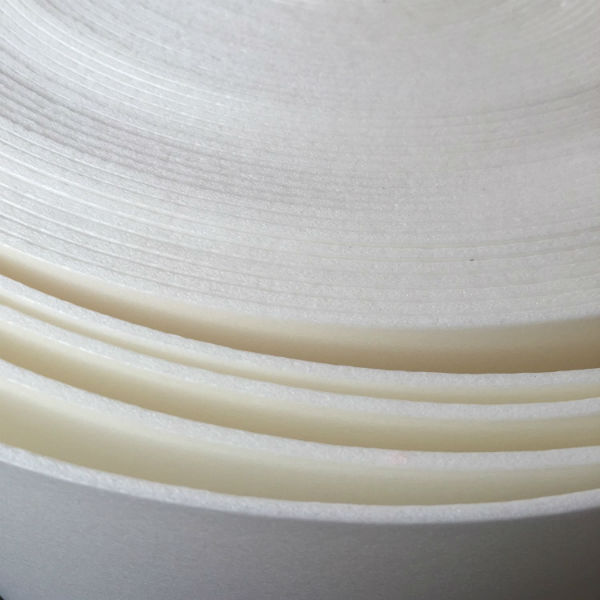
Polyethylene Foam as an Underlayment for Floor Coverings
Polyethylene foam is one of the most widely used underlayment materials in the flooring industry.
Its versatility, affordability, and soundproofing characteristics make it a popular choice for residential, commercial, and industrial applications.
When selecting a sound-insulating base layer for laminate, engineered wood, or vinyl flooring, polyethylene foam stands out as an effective and lightweight solution.
In this article, we will explore the different types of polyethylene foam insulation used under floor coverings, with a focus on its soundproofing properties.
We will also review roll-form polyethylene underlays for laminate, the use of expanded polystyrene (EPS) for additional insulation, and the main advantages of using polyethylene-based soundproofing materials beneath decorative floor coverings.
1. Types of Polyethylene Foam Soundproofing Underlayments for Floor Coverings
Polyethylene foam is a closed-cell, flexible plastic material that is both durable and lightweight.
It is manufactured by expanding polyethylene resin with gas, creating a foam structure that is resilient and compressible.
This makes it ideal for use as an underlayment material beneath a variety of floor coverings.
1.1 Standard Polyethylene Foam Sheets and Rolls
The most common types of polyethylene foam underlayment come in sheets or rolls with varying thicknesses (typically from 2 to 10 mm).
These are used primarily beneath laminate, parquet, and vinyl flooring, offering a combination of cushioning and basic sound absorption.
1.2 Foil-Backed Polyethylene Foam
To improve thermal insulation, some polyethylene foam underlayments include an aluminum foil layer.
This reflective foil enhances energy efficiency by reducing heat loss through the floor, making it a good choice for installations over unheated spaces or concrete subfloors.
1.3 Perforated Polyethylene Underlays
Perforated foam underlays are used in environments where vapor transmission is necessary to allow the substrate to breathe.
These underlays reduce the risk of mold and mildew by allowing moisture to escape from the subfloor.
1.4 Self-Adhesive Polyethylene Mats
Some underlays come with a peel-and-stick adhesive backing.
This simplifies installation and secures the foam in place during floor covering installation, helping to prevent movement and reduce noise caused by floor shifting.
2. Roll-Form Polyethylene Foam Underlayments for Laminate Flooring
Laminate flooring is particularly sensitive to subfloor imperfections and acoustic performance.
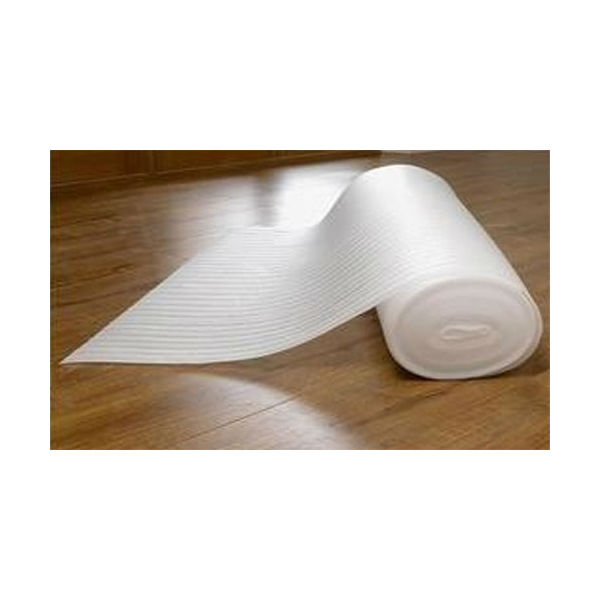
Polyethylene foam underlays in roll format are widely used to prepare subfloors for laminate installation.
2.1 Features of Polyethylene Foam Rolls
Roll-form polyethylene underlays are typically 1 to 5 mm thick and are available in various widths (commonly 1 meter). They are designed to:
-
Absorb minor subfloor irregularities
-
Provide impact sound insulation
-
Reduce airborne noise transmission
-
Add a cushioning layer for walking comfort
2.2 Sound Insulation Benefits
Polyethylene foam rolls help reduce impact sound — the noise generated by footsteps, furniture movement, or dropped objects.
The foam absorbs the energy and dampens sound transmission to rooms below.
For improved performance, some products are engineered with acoustic properties tested to international standards (e.g., ΔLw ratings under ISO 140-8 or EN 16205).
2.3 Moisture Protection
High-quality polyethylene foam underlays often include integrated vapor barriers, which protect the laminate floor from moisture rising through the subfloor.
This is particularly important when installing over concrete or in humid environments.
2.4 Easy Installation
Roll-form foam is lightweight, easy to cut, and simple to install. Installers roll out the material over the subfloor, overlap seams or use sealing tape, and then lay laminate planks directly over the underlayment.
3. Expanded Polystyrene (EPS) for Floor Sound Insulation
While polyethylene foam is soft and flexible, expanded polystyrene (EPS) offers a more rigid alternative that provides both sound and thermal insulation.
3.1 EPS vs. Polyethylene Foam
EPS consists of small beads fused together to form a lightweight, rigid board. It has superior thermal resistance (R-value) and is often used in conjunction with polyethylene foam for hybrid underlayments.
EPS is especially useful in multilayer flooring systems where both soundproofing and load-bearing strength are required.
3.2 Acoustic Benefits of EPS
EPS can significantly reduce sound transmission through floors, especially when used with additional damping layers. In floating floor systems, EPS helps to isolate vibrations and block both airborne and impact sounds.
3.3 Common Applications
-
Soundproofing for high-traffic commercial areas
-
Insulated flooring systems over concrete slabs
-
Combination layers for raised access floors
4. Advantages of Using Polyethylene Foam Soundproofing Materials Under Decorative Floor Coverings
Installing a polyethylene foam underlay beneath decorative floor coverings like laminate, vinyl, or engineered wood provides numerous benefits, particularly in acoustic performance, moisture control, and floor durability.
4.1 Sound Reduction
Polyethylene foam underlays are especially effective at reducing both impact noise and airborne noise.
In multi-story buildings, this results in a significant improvement in comfort for occupants below.
Key sound reduction benefits include:
-
Reduced footstep noise (impact sound insulation)
-
Lower ambient sound levels within rooms
-
Improved acoustic comfort in living and working spaces
4.2 Improved Floor Durability
Underlays absorb dynamic loads, protecting the flooring above from wear and tear caused by daily use.
This extends the lifespan of decorative finishes and reduces maintenance costs over time.
4.3 Moisture Protection
When installed over a concrete or cementitious subfloor, polyethylene foam underlays can act as a vapor barrier.
This minimizes the risk of warping, swelling, or damage to moisture-sensitive floor finishes like laminate or wood.
4.4 Thermal Insulation
Polyethylene foam provides modest thermal insulation, reducing heat loss through the floor and improving energy efficiency.
In colder climates, this adds comfort underfoot and may reduce heating costs.
4.5 Cost-Effectiveness
Compared to other underlay materials, polyethylene foam is relatively inexpensive, easy to install, and does not require specialized tools or adhesives.
This makes it ideal for DIY applications or large-scale flooring installations.
4.6 Lightweight and Non-Toxic
Polyethylene foam is non-toxic, odorless, and does not emit volatile organic compounds (VOCs), making it safe for indoor environments. Its light weight also reduces logistical costs for transportation and handling.
Conclusion
Polyethylene foam is an excellent underlayment material for floor coverings, combining sound insulation, moisture resistance, and cushioning properties in one lightweight and affordable product.
Whether used under laminate, vinyl, or engineered wood flooring, polyethylene foam plays a crucial role in ensuring a comfortable, quiet, and long-lasting flooring installation.
By selecting the right type of foam underlay — from standard rolls to foil-backed or perforated sheets — contractors and homeowners can improve acoustic performance, protect decorative floor coverings, and enhance thermal efficiency.
Additionally, combining polyethylene foam with EPS or other materials allows for customized underlayment systems tailored to specific project requirements.
In industrial and commercial environments, where sound insulation and durability are critical, polyethylene foam continues to prove itself as a dependable and effective solution for underfloor applications.
For long-term performance, always follow manufacturer recommendations and installation guidelines when selecting and applying polyethylene foam underlayment beneath any floor covering.